Dexter Nev-R-Adjust 10-72: Common Noise Issues & Fixes
Owners of the Dexter Nev-R-Adjust 10-72 self-adjusting brake assembly often report unexplained grinding, clicking, or squealing sounds during towing. These noise issues are typically linked to misaligned components, improper wiring, or worn parts within the brake system. This guide covers the most common noise complaints and provides step-by-step fixes to restore quiet, reliable braking.
Why Does My Dexter Nev-R-Adjust 10-72 Make a Grinding Noise After Adjustment?
A grinding noise after using the Nev-R-Adjust mechanism usually indicates that the brake shoes are dragging against the drum due to over-adjustment. The self-adjusting feature can sometimes tighten the shoes beyond the recommended clearance, especially if the adjustment lever is stuck or damaged.
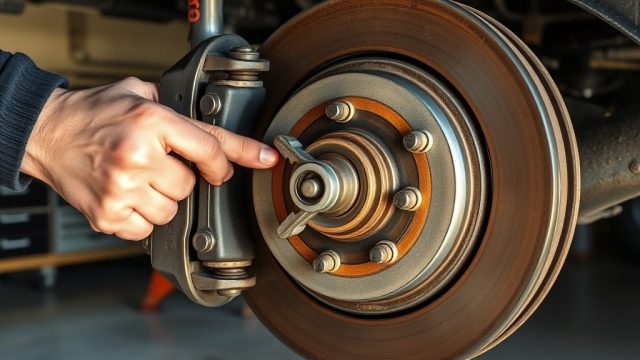
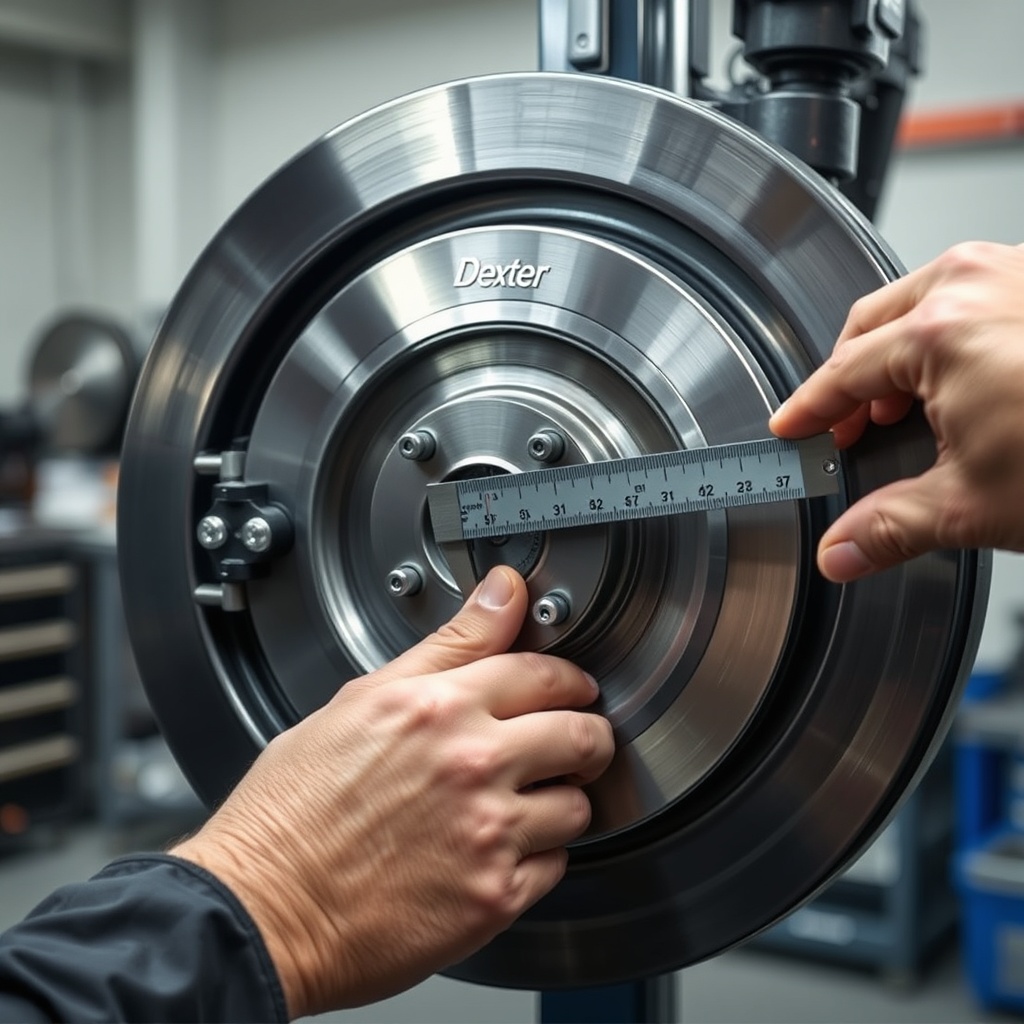
- Check brake shoe clearance: Remove the drum and measure the gap between shoes and drum surface. Ideal clearance is 0.010–0.020 inches. If less than 0.008 inches, the shoes are too tight.
- Inspect the adjuster lever: Look for bent or broken components. A faulty lever can cause constant adjustment, leading to grinding.
- Verify drum condition: Warped or out-of-round drums create irregular contact. Use a dial indicator to check for runout exceeding 0.005 inches.
If grinding persists after clearance correction, inspect the Dexter Nev-R-Adjust 10-72: Complete Brake Wiring & Assembly Guide for proper magnet and wiring orientation, as miswiring can cause uneven brake application.
What Causes a Squealing Sound When Braking with the Nev-R-Adjust System?
Squealing typically stems from vibration between the brake shoes and the backing plate or from contaminated friction surfaces. The Nev-R-Adjust design uses a star wheel and adjuster assembly that can become a noise amplifier if not properly lubricated.
- Lubricate contact points: Apply high-temp brake grease to the backing plate pads and adjuster mechanism. Avoid grease on the friction material.
- Check for glazed shoes: Heat buildup from frequent braking can harden the surface. Lightly sand the shoe surface with 80-grit sandpaper.
- Inspect drum finish: A polished or glassy drum surface promotes squeal. Use a brake lathe to restore a non-directional finish.
Sustained squealing may also indicate a loose mounting bolt or a worn-out magnet. Refer to the wiring guide for magnet replacement steps if the magnet is cracked or missing chunks.
How to Fix a Clicking or Popping Noise from the Dexter Nev-R-Adjust 10-72
Clicking sounds often originate from the adjuster lever as it indexes the star wheel during reversing. While some click is normal during adjustment, excessive popping indicates a mechanical binding issue.
| Noise Symptom | Likely Cause | Severity | Remedy |
|---|---|---|---|
| Single click once per forward brake | Normal adjuster activation | Low (acceptable) | No action needed |
| Multiple clicks or pops | Broken adjuster spring or bent lever | Medium | Replace adjuster assembly |
| Loud pop with vibration | Loose drum or broken shoe retainer spring | High (stop use) | Inspect and replace hardware |
| Intermittent clicking while coasting | Stuck star wheel or debris in adjuster | Medium | Clean and lubricate star wheel |
For clicking that persists after cleaning, verify that the adjuster cable is correctly routed through the guide. Misrouting can cause the lever to skip teeth, producing repetitive popping.
What Fixes a Rumbling Noise from the Dexter 10-72 Trailer Brake?
Rumbling sounds often point to bearing issues rather than the brake assembly itself, but the Nev-R-Adjust system can amplify vibration from the wheel hub. If you hear a low, rhythmic rumble while driving without braking, start with the wheel bearings.
- Check bearing preload: Jack up the wheel and check for lateral play. Excessive play indicates loose bearings that transmit vibration to the brake assembly.
- Inspect drum runout: A warped drum will cause the shoes to pulse against the friction surface. Runout under 0.003 inches is acceptable.
- Look for foreign objects: Stones or debris trapped between the drum and backing plate can create a rumbling noise.
If bearings are tight and drum is true, the rumbling may come from a worn magnet dragging on the armature. The magnet should make a light, consistent contact surface—replacement is necessary if worn beyond 1/16 inch.
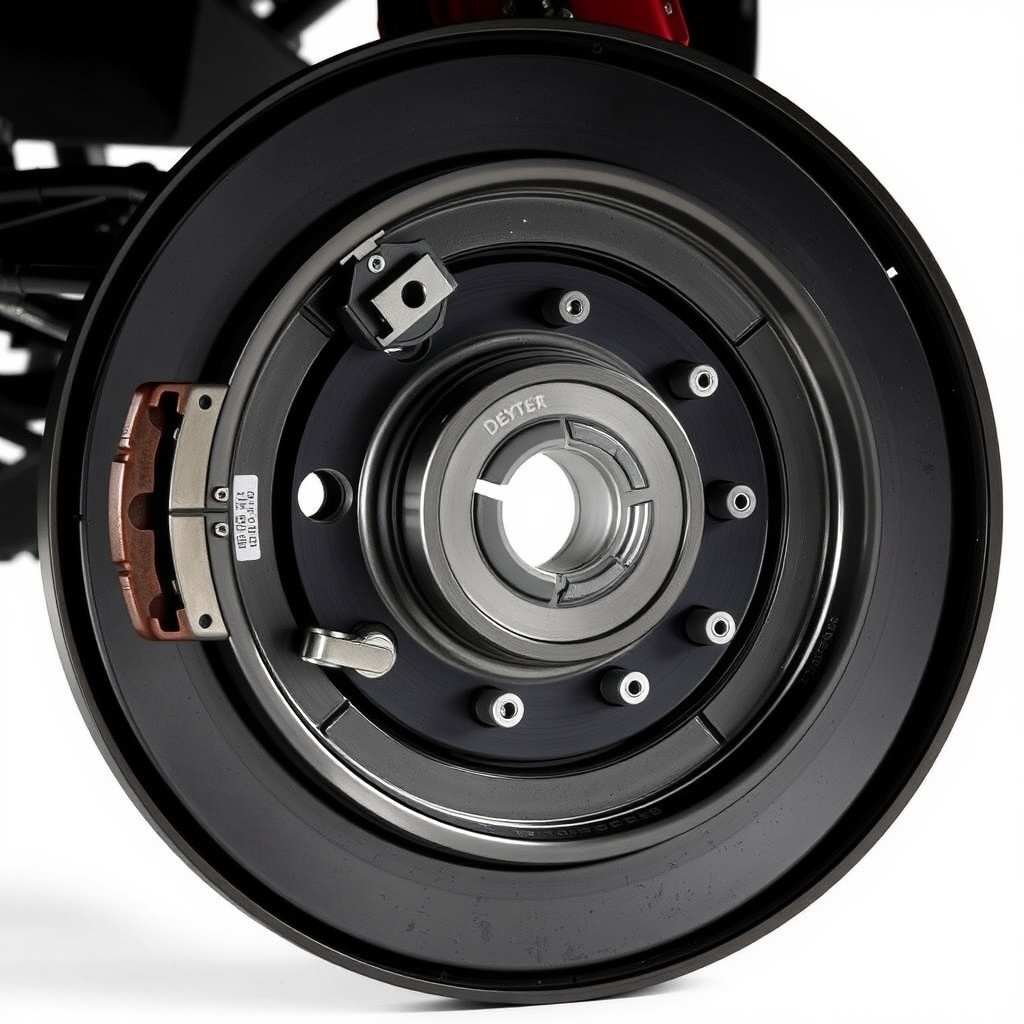
Why Does the Nev-R-Adjust Brake Click When Reversing?
The Nev-R-Adjust system is designed to self-adjust during reverse travel. A single click is the adjuster lever engaging the star wheel and rotating it one tooth. However, excessive clicking or a racheting sound indicates the system is failing to properly index.
- Verify cable tension: The adjuster cable must have slight slack when the brake is released. Too much slack prevents engagement, too little causes constant tension.
- Check the lever pivot: A seized pivot pin prevents the lever from returning to its home position. Apply penetrating oil if needed.
- Inspect the star wheel orientation: The star wheel must be installed with the adjuster lever on the correct side. Reverse installation causes binding.
Reversing clicks that occur more than 3–4 times per backup maneuver indicate the adjuster is not resetting. A full disassembly and cleaning of the adjuster mechanism usually resolves this.
What Owners Say About Dexter Nev-R-Adjust 10-72 Noise Issues
In online forums and owner reviews, the loudest complaints about the Dexter Nev-R-Adjust 10-72 center on initial setup noise. Many owners report that the self-adjusting mechanism is too sensitive out of the box, leading to frequent clicking and occasional grinding until the system wears in.
A common sentiment is that proper installation of the copper ground wire and magnet is critical. Owners who followed the Dexter Nev-R-Adjust 10-72: Complete Brake Wiring & Assembly Guide report fewer noise issues. Those who experienced persistent grinding often found that the factory-set star wheel clearance was too tight. After manually backing off the star wheel by three to four notches, many reported normal operation.
Several long-time users note that after 20–30 brake cycles, the clicking diminishes as the adjuster beds in. They recommend a break-in procedure of ten moderate stops from 15 mph, then ten from 25 mph, to seat the shoes before full-load towing.
Frequently Asked Questions
Q: Can I manually adjust the Dexter Nev-R-Adjust 10-72 to stop a grinding noise?
A: Yes. Access the adjuster star wheel through the backing plate slot and back it off until the drum spins freely. The self-adjusting feature will re-calibrate during the first few reverse movements. A complete manual reset is described in the wiring guide.
Q: Does the clicking sound mean my brakes are failing?
A: Not necessarily. A single click per reverse maneuver is normal system operation. However, repeated clicking or changes in pitch suggest a mechanical issue that should be inspected.
Q: What lubricant should I use on the adjuster mechanism?
A: Use a high-temperature synthetic brake grease on the star wheel threads and lever pivot points. Do not use WD-40 or petroleum-based oils, as they can attract dirt and degrade the operation.
Q: Why do my brakes squeal only after driving in rain?
A: Moisture on the friction surfaces causes temporary squealing until the shoes dry. If the sound persists after several stops, the friction material may have absorbed water and should be dried by driving slowly with light brake application for 1–2 miles.
Q: How often should I inspect the Nev-R-Adjust mechanism for noise issues?
A: Inspect the adjuster assembly and drum clearance at the start of each towing season, or every 3,000 miles. Pay extra attention if you hear any new or persistent noises.
Q: Can a wiring problem cause brake noise on the Dexter 10-72?
A: Yes. A poor ground connection or reversed polarity can cause uneven magnet activation, leading to dragging shoes and noise. Refer to the Dexter Nev-R-Adjust 10-72: Complete Brake Wiring & Assembly Guide for correct wiring and testing procedures.