Why Is My Timbren HD3500SL Making a Clunking Noise on Bumps?
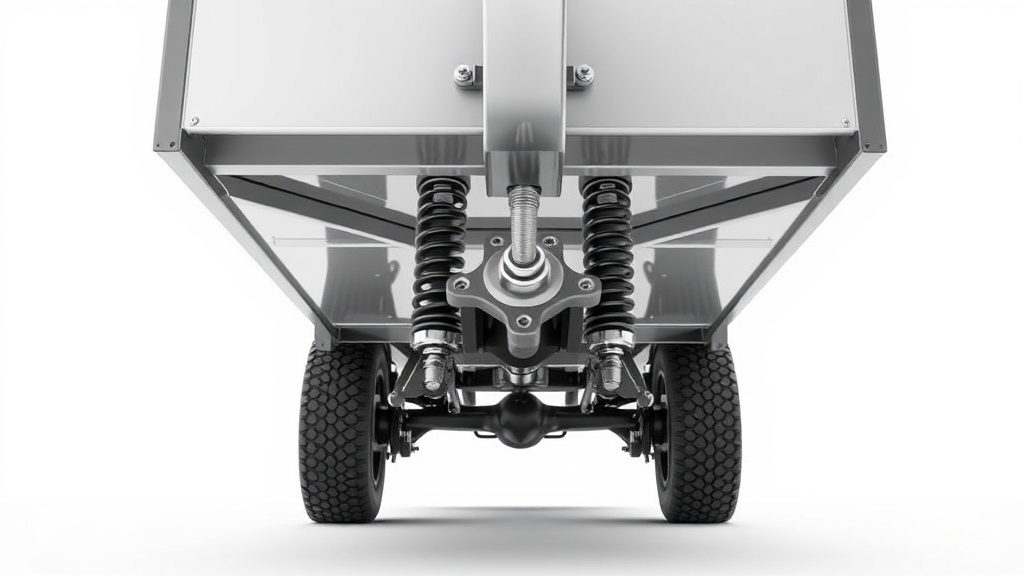
A clunking sound from your Timbren HD3500SL when hitting bumps often points to loose mounting bolts or worn-out rubber bushings in the axle-less suspension system. The HD3500SL uses a unique rubber spring design, and if the center bolt or shackle bolts aren’t torqued to spec, the entire assembly can shift, causing metal-on-metal contact. Start by checking the torque on all main pivot bolts—they should be at 85-90 ft-lbs (115-122 Nm) for most trailers. Also inspect the rubber springs for cracks or deformation; after heavy use, especially with loads exceeding 3,500 lbs per axle, the rubber can degrade and lose its damping ability.
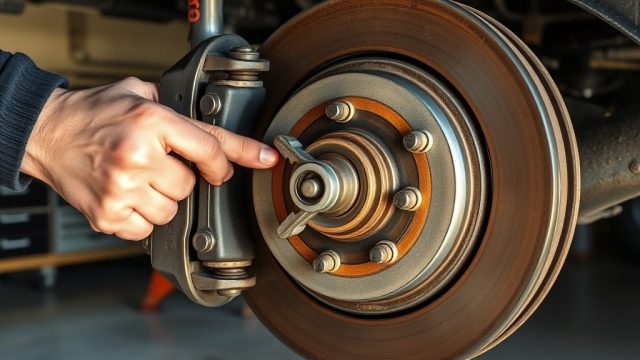
If bolts are tight, examine the hub assembly for play. Worn bearings or a loose spindle nut can mimic suspension noise. Jack up the trailer, grab the tire at 12 and 6 o’clock, and shake—any movement over 0.010 inches signals a bearing issue. Replace bearings if needed; the HD3500SL uses standard 1-1/16″ inner and 1-3/8″ outer bearings on most models.
How Do I Fix Vibration at Highway Speeds (55-70 MPH)?
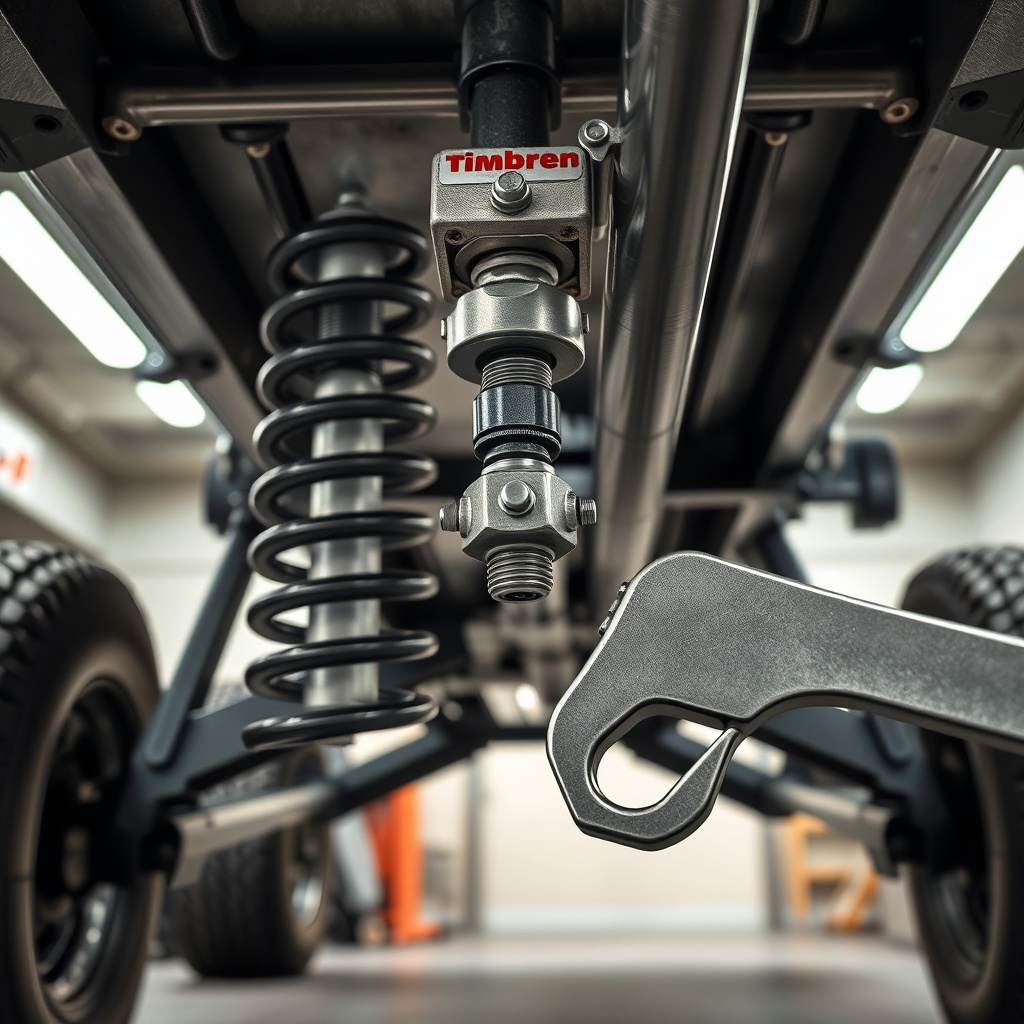
Vibration during highway towing with the Timbren HD3500SL often stems from tire imbalance or driveline angle mismatch. The HD3500SL’s independent suspension doesn’t have a solid axle, so tire issues transfer directly to the chassis. First, have your trailer tires balanced—static and dynamic—at a shop that handles trailer wheels (most car tire centers can do this for $15-$25 per tire). Check lug nut torque to 90-100 ft-lbs, as loose wheels cause severe wobble.
If tires are balanced, measure the trailer’s coupler height with a level and adjust the hitch ball height. The HD3500SL works best when the trailer rides level; a nose-up or nose-down attitude changes suspension geometry, causing steer axle vibration. Use a hitch with 2-inch drop or rise increments to achieve a level frame. Also inspect the load leveling—improperly set weight distribution bars can introduce harmonic vibration.
Can a Bent Spindle or Hub Assembly Cause Persistent Vibration?
Yes—a bent spindle on the Timbren HD3500SL hub assembly is a common culprit for vibration that doesn’t resolve with tire balancing or torque checks. The spindle is part of the central pivot structure, and a hard curb impact or pothole can warp it by as little as 0.005 inches, causing a rhythmic shake. To diagnose, spin the wheel freely off the ground and watch for wobble at the hub face—anything more than 0.010 inches runout indicates spindle damage.
Replacing a bent spindle requires disassembling the hub and pressing out the old unit—a job best done with a hydraulic press. The upgrade options for the HD3500SL include heavy-duty spindles with thicker flanges that resist bending better than standard parts. Expect to pay $120-$180 for a replacement spindle, plus $40-$60 for new bearings and seals if you’re doing the full job.
| Severity Level | Symptom | Likely Cause | Fix Priority | Estimated Cost (USD) |
|---|---|---|---|---|
| Mild | Slight shake at 60+ mph | Tire imbalance | Low | $15-$25 per tire |
| Moderate | Wobble at 55-65 mph | Loose lug nuts or bolts | Medium | Free (tighten) |
| High | Violent shake, steering wheel feedback | Bent spindle or hub assembly | High | $120-$180 (spindle) |
| Critical | Clunking + vibration combined | Worn rubber springs or bearing failure | Immediate | $200-$350 (full kit) |
How Do I Diagnose and Fix a Groaning or Squeaking Sound?
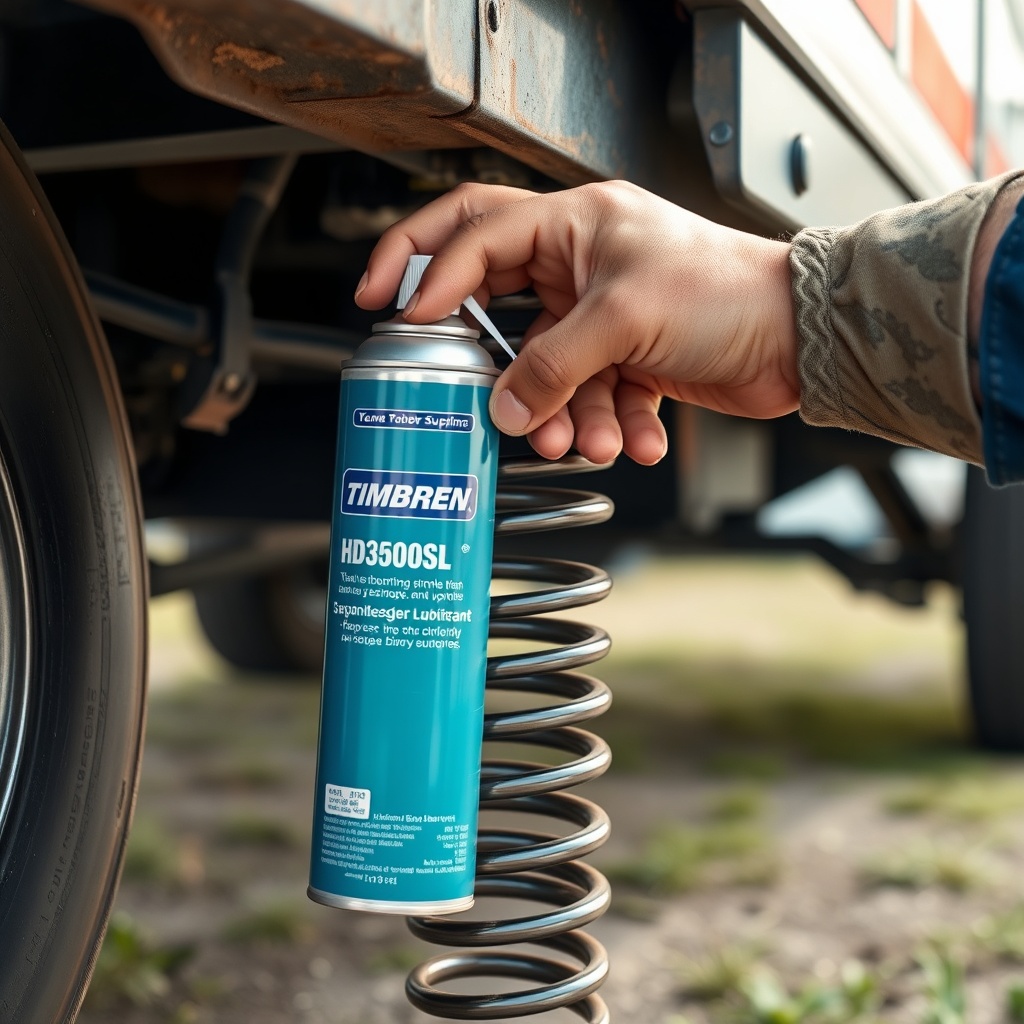
Groaning or squeaking from the Timbren HD3500SL usually indicates dry or contaminated rubber springs. The rubber springs operate by compression and shear; without proper lubrication at the pivot points, they can emit a low groan when the suspension articulates. Start by applying a silicone-based spray lubricant to the rubber spring surfaces—avoid petroleum-based products that degrade rubber. Spray liberally on both sides of the spring and cycle the suspension through its travel (jack up the trailer and let it down).
If the noise persists, inspect the lubrication best practices for the pivot bushings. The HD3500SL has two main pivot bushings that should be greased every 3,000 miles with a high-quality lithium-complex grease. If those bushings are dry, they’ll squeak like a rusty hinge. Remove the grease fittings (Zerk fittings) and flush them with new grease using a hand gun. Worn bushings may need replacement—they’re about $15 each and take 30 minutes to install with basic tools.
Why Does My Timbren HD3500SL Creak When Turning at Slow Speeds?
A creaking sound during slow-speed turns (like in a parking lot) often points to the shackle bolts or equalizer bracket being under-torqued. The HD3500SL’s independent suspension uses a single central pivot, and when turning, the side-to-side load can cause the shackle to bind if bolts are loose. Tighten all shackle bolts to 70-75 ft-lbs (95-102 Nm) using a torque wrench—don’t rely on an impact gun alone.
Another cause is bearing preload being too tight. The HD3500SL uses adjustable bearings; if the spindle nut is overtightened, the bearings bind up during lateral loads, creating a groan. Back off the spindle nut, tighten to 25 ft-lbs while spinning the wheel, then back off 1/4 turn—this sets proper preload. Check your bearing selection for the correct part numbers; using the wrong taper angle can also cause binding.
What Owners Say About Noise and Vibration on the Timbren HD3500SL
Owners of the Timbren HD3500SL commonly report that minor noise issues are easy to fix but often misinterpreted as major failures. “I had a clunk that drove me crazy for weeks,” wrote one user on a trailer forum. “Turns out a single pivot bolt was 10 ft-lbs under. Torqued it to 90 and it’s been silent for 2,000 miles.”
Another owner described vibration at 65 mph: “My tire shop balanced the trailer tires for $20 each, and the shake vanished. I’d wasted three weekends checking suspension parts when it was just a simple imbalance.” However, some long-distance haulers noted that after 20,000 miles of heavy use, rubber spring replacement was inevitable. “The groaning came back every spring (pun intended). I replaced the rubber packs with the HD upgrade—expensive at $300 but worth it for the silence.”
A common frustration is that the HD3500SL’s unique design doesn’t have the same feel as leaf springs. “You have to get used to some noise from the rubber—it’s not silent like leaf springs. But the ride quality is way better off-road.”
Frequently Asked Questions
Q: How do I know if the rubber springs on my Timbren HD3500SL need replacement?
A: Check for visible cracks, chunks missing, or a loss of rebound (the spring doesn’t return to shape after compression). If the trailer sags more than 1 inch when loaded, or if you hear constant groaning, replacement is needed—typically every 15,000-25,000 miles under heavy use.
Q: Can I use WD-40 to lubricate the Timbren HD3500SL suspension?
A: No. WD-40 is not a lubricant and will evaporate, leaving a sticky residue. Use a silicone-based spray or a lithium-complex grease for pivot bushings. Never use petroleum-based products on rubber springs—they cause swelling and failure.
Q: What’s the proper torque for the main pivot bolt on a Timbren HD3500SL?
A: The manufacturer specifies 85-90 ft-lbs (115-122 Nm) for the main pivot bolt on the HD3500SL model. Always use a torque wrench; over-tightening can strip threads or crack the bracket.
Q: Why does my trailer vibrate only when loaded, not empty?
A: This suggests a load-sensitive issue, like a bent spindle or uneven tire wear. When loaded, the suspension compresses and changes geometry, amplifying any existing imbalance. Check tire wear patterns—feathering on the tread edges indicates a bent spindle. Also review your maintenance schedule for inspection intervals.
Q: How often should I grease the pivot bushings on my Timbren HD3500SL?
A: Every 3,000 miles or annually, whichever comes first. Use a hand grease gun with lithium-complex grease. Pump until fresh grease appears at the bushing edges—don’t over-grease, as it can contaminate the rubber springs.
Q: Can I replace just one side’s suspension components or do I need to do both?
A: While technically possible, it’s strongly recommended to replace both sides. Uneven wear between old and new components can cause the trailer to track sideways or induce vibration. The hub assembly component breakdown details the matching kits.