What Are the Recommended Inspection Intervals for the Timbren HD3500SL?
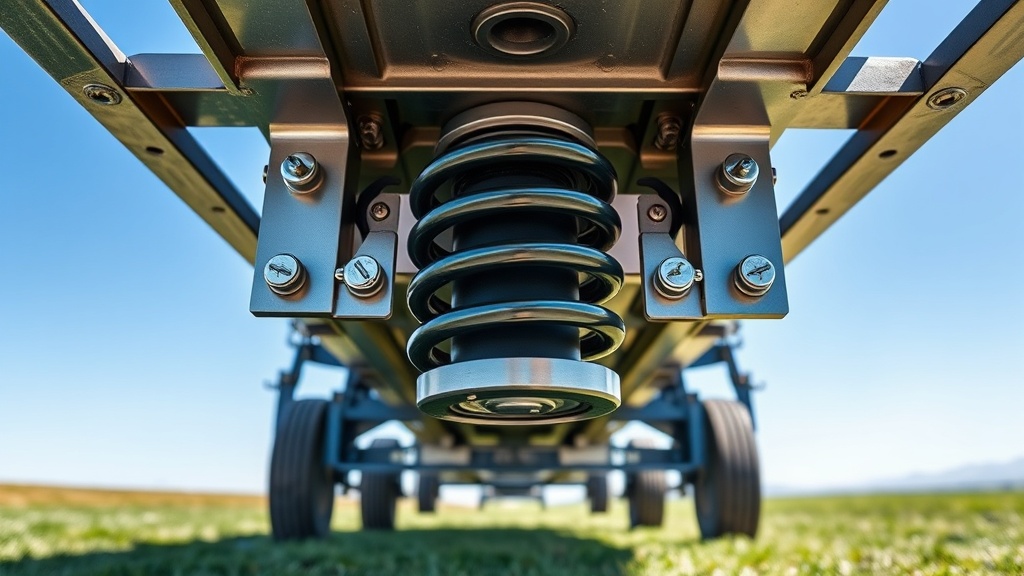
Owning a Timbren HD3500SL means committing to a disciplined maintenance rhythm. For the average UK tower covering 15,000–20,000 km annually, we recommend a full visual check every 500 km or before any long journey, a deeper inspection every 10,000 km, and a comprehensive service at least once per year. Delaying these checks can lead to accelerated bushing wear and compromised load-levelling performance. The rubber-metal composite elements in the HD3500SL are resilient but still require vigilance, particularly around the main pivot points. Annual re-torquing of all mounting bolts to 190 Nm is non-negotiable.
Which Lubrication Points Need the Most Frequent Attention?
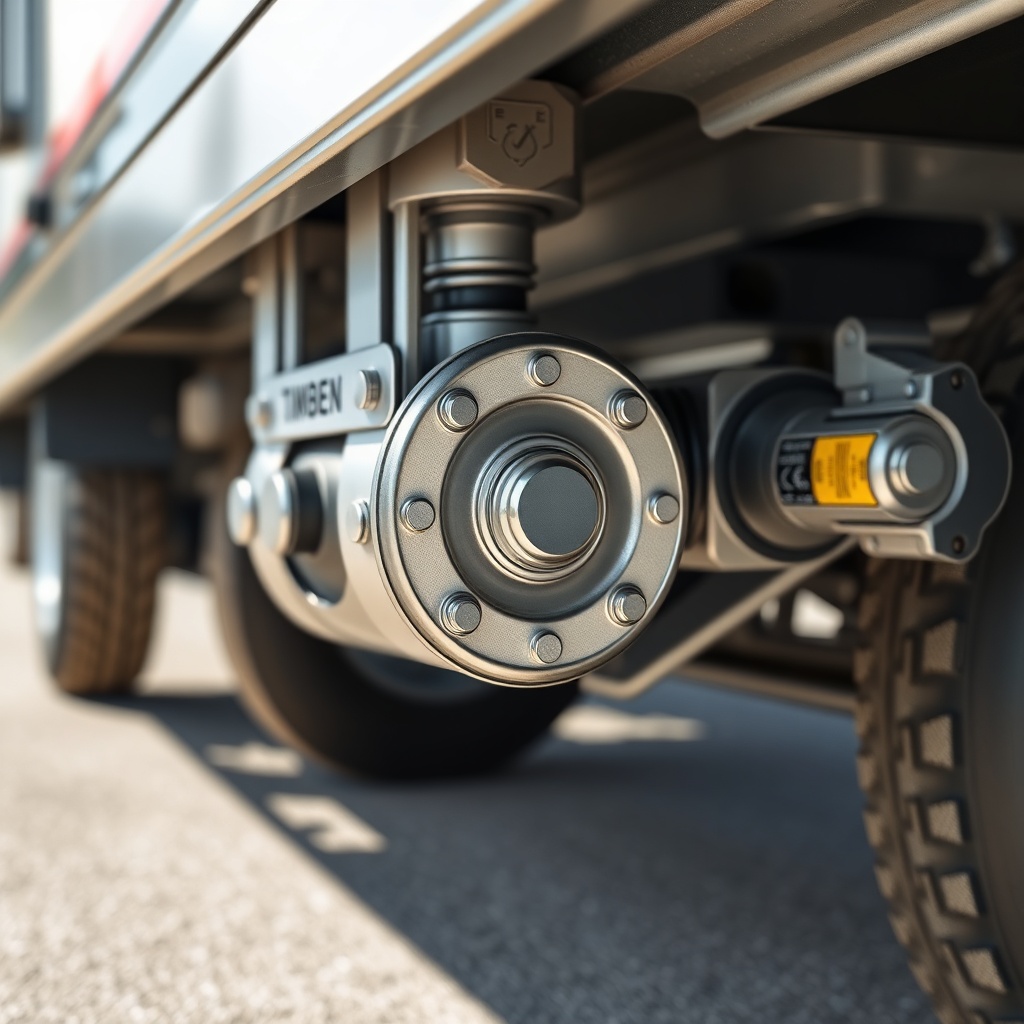
Unlike leaf spring systems, the Timbren HD3500SL has no greaseable spring pins. However, the mounting bracket bushings and the silent-block interfaces at the chassis attachment do benefit from periodic anti-seize application. Lubrication is primarily about preventing corrosion on exposed threads and ensuring the pivot bolt turns freely during articulation. We suggest applying a high-quality lithium-based grease to the bolt shanks and bushing bores every 20,000 km. This is also the ideal moment to consult our Timbren HD3500SL: Optimal Lubrication & Sealing for Long Life guide for detailed torque specs and grease grade recommendations. Neglect here often manifests as a creaking sound over speed bumps—a clear sign your bushings are running dry.
| Component | Inspection Frequency | Action Required | Severity if Missed |
|---|---|---|---|
| Mounting Bolts (M14) | Every 500 km | Torque check to 190 Nm | High – risk of bolt loosening |
| Bushings (Silent-block) | Every 10,000 km | Visual wear & cracking check | Medium – reduced articulation |
| Rubber Spring Element | Every 20,000 km | Check for surface cracks or bulging | High – catastrophic failure possible |
| Pivot Bolt & Washers | Annual | Disassemble, clean, regrease | Medium – corrosion and seizure |
| Axle Alignment | Every 3 years | Check squareness to chassis | Low – long-term tyre wear |
How Does the Brake System Integration Affect Maintenance?
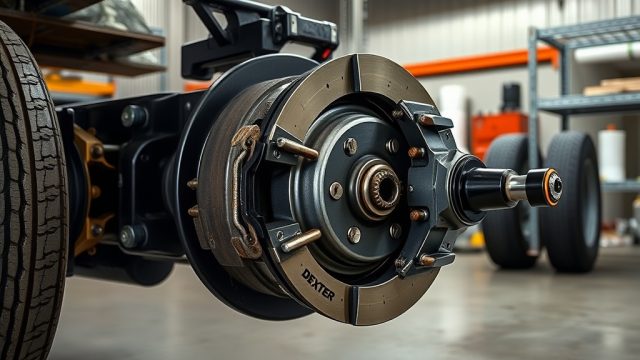
The HD3500SL is commonly paired with electric or hydraulic brakes, especially on horse trailers and heavy-duty car transporters. Because the suspension unit sits directly over the axle, the brake backing plate and magnetic assembly must be kept free of dust and moisture. We recommend pulling the brake drum at least once every 12 months or 30,000 km to inspect magnet armature wear and shoe thickness. A common oversight is misaligned wiring due to axle movement; the flexible conduit should be routed with a 50 mm droop loop to prevent chafing. For a deeper dive on brake upgrades and wiring standards, our Timbren HD3500SL: Brake System Upgrade & Wiring Guide covers the specifics for 7-pin and 13-pin connections. Brake adjustments should always follow a suspension service, since ride height changes affect lever geometry.
What Is the Complete Season-by-Season Maintenance Checklist?
Seasonal changes in the UK—from road salt in winter to high UV in summer—place distinct stresses on the HD3500SL. Below is a pragmatic calendar adapted for temperate climates. Each season has three priority tasks. Spring is the best time for full re-torquing after winter’s freeze-thaw cycles. Summer demands extra attention to rubber UV degradation if the trailer is parked outdoors. Autumn calls for verification of bolt torque before the rainy season begins, and winter requires monthly underbody rinsing to remove salt residue. Following this cycle ensures the suspension maintains its rated 3500 kg capacity without unexpected failure. Always cross-reference with the Timbren HD3500SL: Step-by-Step Installation & Retrofit Guide when replacing components.
- Spring (March–May): Full torque check of all fasteners; inspect rubber for winter cracking; test electric brake function on a 10% gradient.
- Summer (June–August): UV protectant spray on exposed rubber covers; check bearing grease level in hub; verify bolt washers are not compressed.
- Autumn (September–November): Re-torque pivot bolts; inspect wiring loom for chafing; clean and regrease all exposed threads.
- Winter (December–February): Monthly underbody wash; apply anti-corrosion wax to brackets; check bushings for moisture ingress.
What Do Owners Say About Long-Term Reliability?
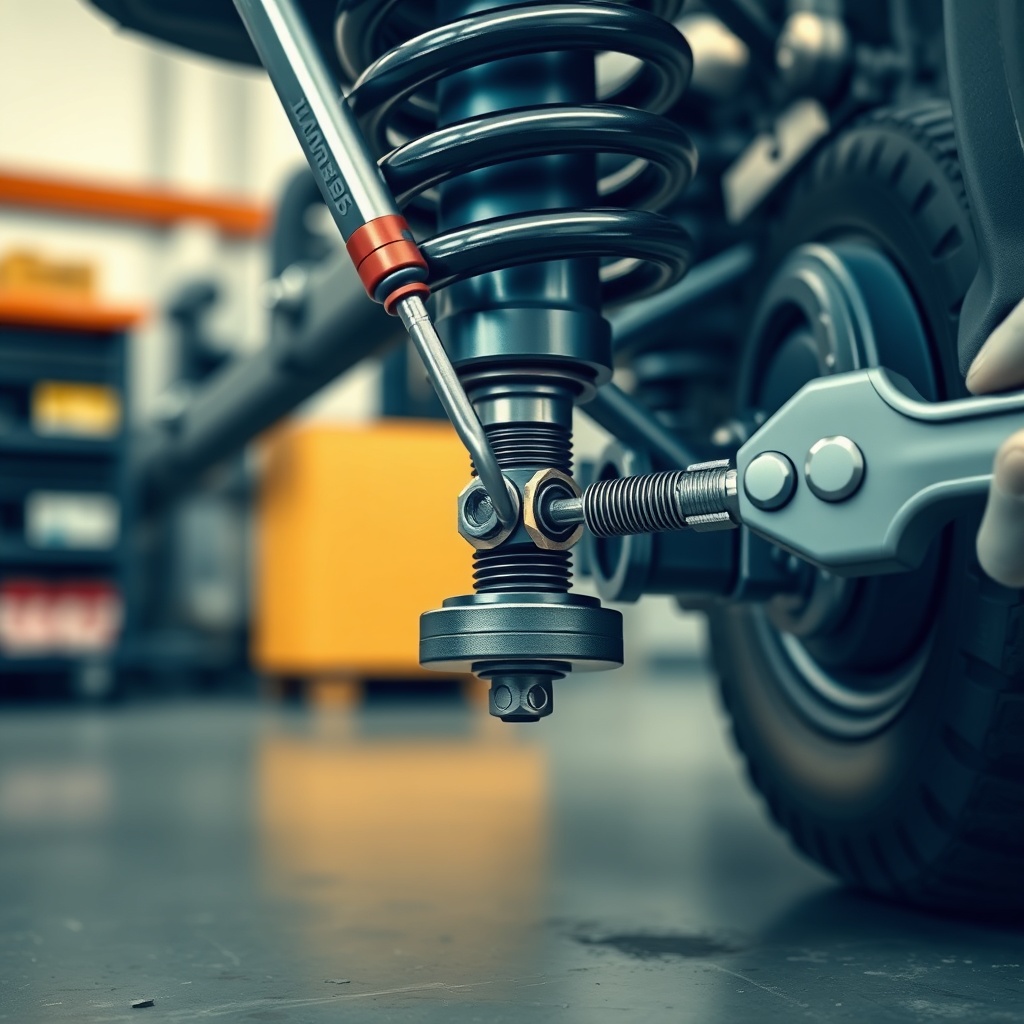
Feedback from heavy trailer owners in the UK and Europe consistently highlights two themes: the HD3500SL eliminates leaf spring sag over time, but the rubber element can degrade if the trailer is stored in direct sunlight for years. On forums like Caravan Talk and Practical Caravan, owners report the suspension still performing well at 80,000 km with only bushing replacements. A frequent positive comment is the “quiet ride” compared to torsion bar systems. On the downside, several owners note that the pivot bolt can seize if annual lubrication is skipped. One owner from Scotland shared, “After 5 years, the rubber still looks good—just keep the salt off and torque everything twice a year.” For detailed component-level insight, the Timbren HD3500SL: Hub Assembly Component Breakdown & Replacement Guide is invaluable.
Frequently Asked Questions
Can I use the HD3500SL with a 3500 kg gross trailer weight (GTW)?
Yes, the HD3500SL is rated for exactly 3500 kg. Ensure the axle and tyres also match that capacity. Overloading by even 10% accelerates rubber fatigue.
How often should I replace the rubber springs?
In normal use, every 5–7 years. If you see cracks deeper than 3 mm or bulging, replace immediately. UV degradation speeds this up.
Is it normal to hear a slight squeak when reversing?
A faint rubber-on-metal noise is normal. A loud creak indicates dry bushings—check our Timbren HD3500SL: Absorption & Sealing Best Practices for treatment advice.
Do I need to retighten bolts after the first 500 km?
Yes. All new installations require a re-torque at 500 km. Use 190 Nm on M14 bolts and check alignment with a square.
What torque should I use for the brake backing plate bolts?
40 Nm for M8 bolts. Over-tightening strips the threads. Always use a torque wrench—not an impact driver.
The suspension seems to bottom out—what’s wrong?
Check that the rubber unit is not collapsed. Also verify the vehicle’s tow bar is rated for the nose weight. Refer to the Timbren HD3500SL: Safety Compliance & Towing Standards for legal limits.