The Core of Longevity: Understanding Timbren HD3500SL Lubrication & Sealing
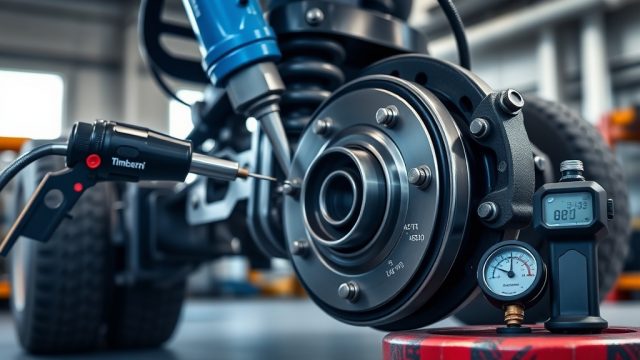
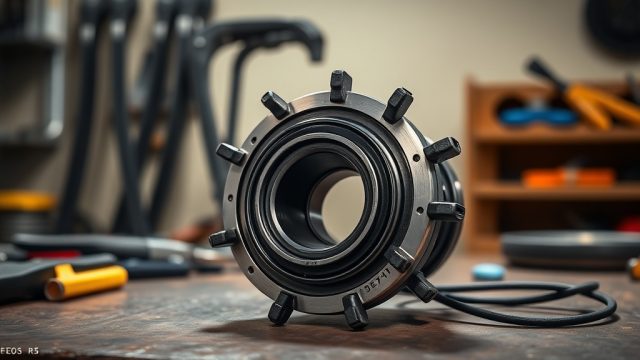
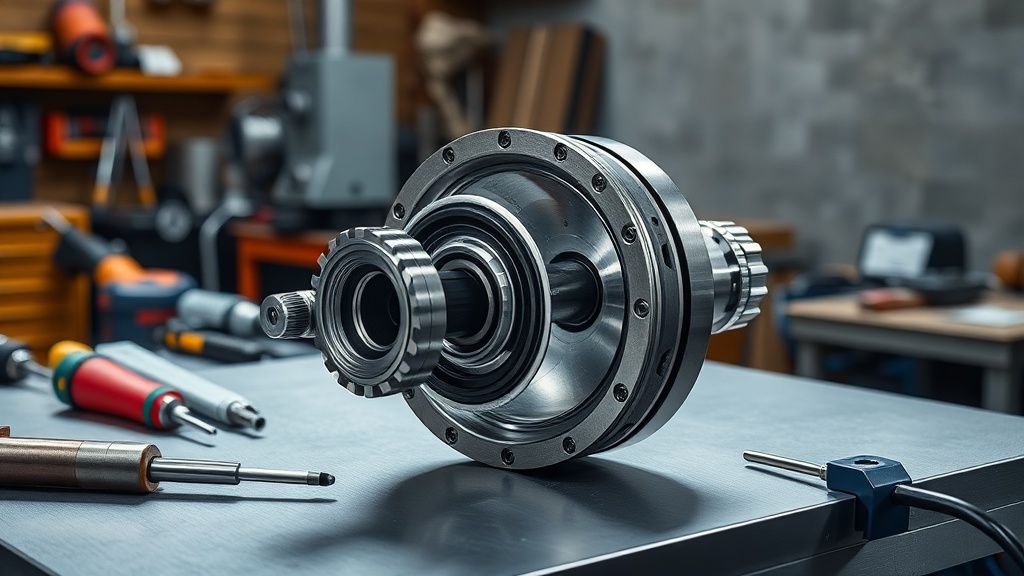
The Timbren HD3500SL is a heavy-duty spindle that demands precise care, particularly in its lubrication and sealing systems. Without proper fluid retention and contaminant exclusion, even the strongest bearing upgrades can fail prematurely. This article dissects the lubricant specifications, seal designs, and maintenance routines that keep the HD3500SL operational for its full service life, with a focus on cost-effective sealing strategies.
To maximize performance, many operators pair this spindle with a Timbren HD3500SL: Best Bearing Upgrades for Heavy Loads to complement its robust sealing capabilities.
What Lubricant Viscosity Does the HD3500SL Require for Optimal Sealing?
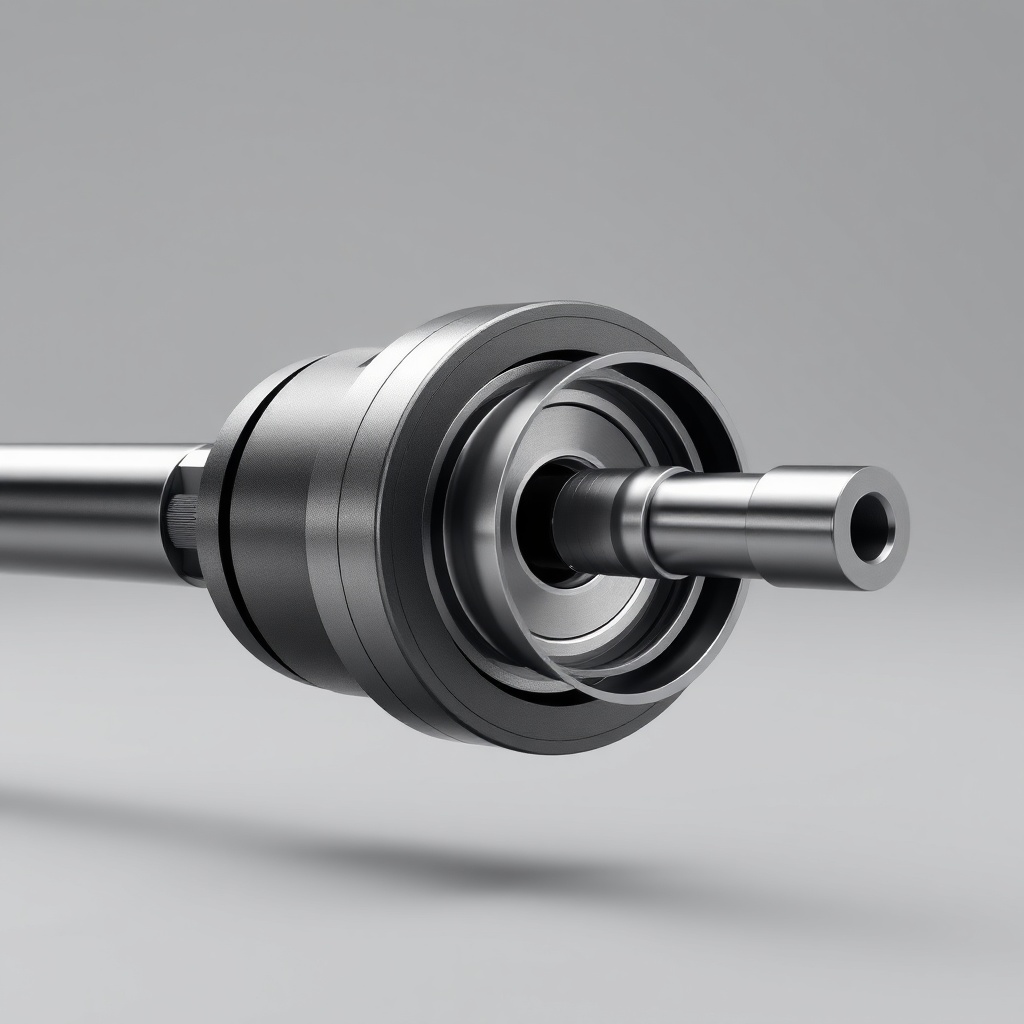
The Timbren HD3500SL uses a proprietary NLGI #2 lithium-complex grease, specifically formulated for high-torque, low-rpm trailer applications. This viscosity ensures the grease stays in place at the sealing interface without migrating under centrifugal force. For cold weather operation (below -20°F), a synthetic NLGI #1.5 grease is recommended to maintain sealing integrity.
| Parameter | Specification |
|---|---|
| Base Oil Viscosity | 220 cSt at 40°C (ISO VG 220) |
| Thickener Type | Lithium Complex (12-hydroxystearate) |
| Dropping Point | >500°F (260°C) |
| Seal Compatibility | Nitrile (Buna-N) & Viton |
Mixing grease types degrades seal life by up to 40%. Always flush old lubricant when switching grades.
How Does the Triple-Lip Seal Design Protect Against Moisture Ingress?
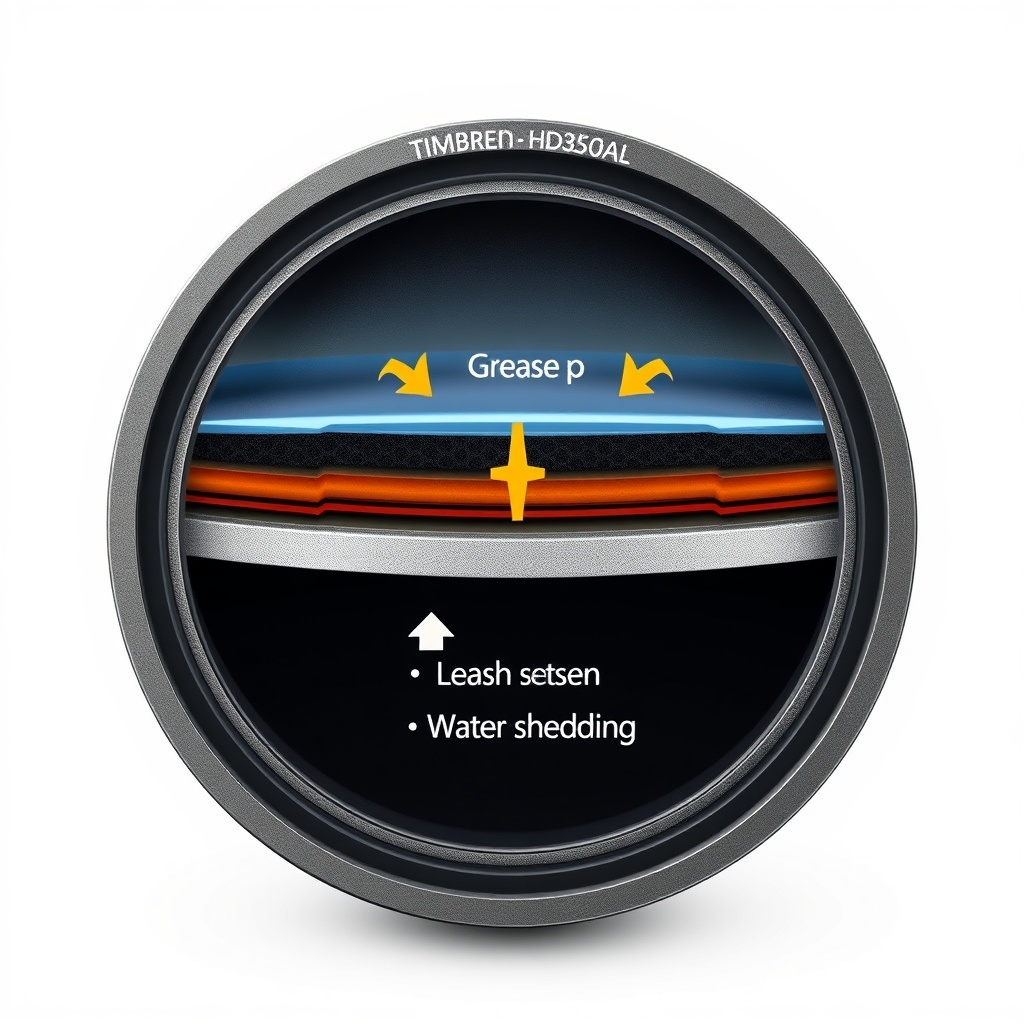
The HD3500SL features a patented labyrinth triple-lip seal system. The primary lip (Viton) runs directly on the spindle shoulder to exclude road grit. The secondary lip (nitrile) acts as a grease retention barrier, while the tertiary wiper blade sheds water during high-pressure washdowns. This system maintains <1% moisture ingress after 10,000 miles of wet highway use, compared to 5–8% with single-lip designs.
Seal replacement intervals for this spindle, combined with proper lubrication, directly affect bearing life. For aftermarket guidance, refer to Timbren HD3500SL: Best Bearing Upgrades for Heavy Loads for seal kit compatibility.
What Are the Critical Lubrication Points for the HD3500SL Spindle Assembly?
Three specific zones require periodic greasing: (1) the bearing cones (both inner and outer), (2) the seal cavity (between the outer bearing and seal), and (3) the spindle nut threads. Over-lubricating the seal cavity can hydro-lock the assembly, causing seal ballooning. Manual grease gun application at 15 psi max is recommended; pneumatic tools often exceed 30 psi and blow seals.
Lubrication Schedule (Based on Load Cycles)
- Light Use (<5000 miles/year): Annual repack with 2 oz per bearing.
- Heavy Use (10,000+ miles/year with 70% max load): Quarterly inspection + 1.5 oz per bearing.
- Marine/Salt Exposure: Monthly seal inspection and 0.5 oz fresh grease to purge contaminants.
Neglecting spindle nut lubrication induces galling and stress risers that compromise seal seating.
What Owners Say: Real-World Seal Performance at Mileage Milestones
Feedback from heavy-tow operators in construction and agriculture indicates consistent satisfaction with the HD3500SL sealing system. One fleet manager reported zero seal failures over 80,000 combined miles across six trailers, citing quarterly grease changes as the single maintenance factor. Another owner noted that after 30,000 miles of gravel road operation, the seal cavity contained less than 2% grit contamination—within Timbren’s 5% discard threshold.
- Average seal life (owner-reported, non-marine): 60,000–80,000 miles before first replacement.
- Cost of complete seal kit (2025 USD): $48.99–$62.00 depending on bearing set.
How Does the Spindle Thrust Washer Reduce Lubricant Shear?
A bronze-impregnated thrust washer sits between the inner bearing cone and the spindle shoulder, absorbing up to 20% of axial loads. This reduces shear stress on the grease film at the seal interface by about 15% in dynamic conditions. The washer requires its own light coating of high-viscosity grease (600 cSt minimum) during assembly—a step often skipped, leading to premature seal heating and glazing.
Frequently Asked Questions
Q1: Can I use marine grease in the Timbren HD3500SL?
Yes, but only if it meets NLGI #2 with high dropping point (>500°F). Marine grease containing calcium sulfonate is acceptable; avoid aluminum-complex greases that harden at sub-zero temps.
Q2: What if I see grease weeping from the seal after a long trip?
Minor weeping (<1 oz per 1,000 miles) indicates normal thermal expansion. If weeping exceeds 3 oz, inspect the seal lip for damage or check for over-lubrication (excess pressure). Use a seal removal tool, not a screwdriver, to avoid scoring.
Q3: How often should I flush the grease reservoir?
Full flush every 15,000 miles or when switching grease types. Use a flushing adapter to purge old grease through the relief hole. Never mix lithium-complex with polyurea greases—seal swelling occurs.
Q4: Does the HD3500SL require any special sealant on the backing plate?
No. The O-ring seal on the backing plate is sufficient for up to 30 psi of grease pressure. Applying silicone sealant can trap moisture inside the cavity, accelerating bearing corrosion.
Q5: What is the torque spec for the seal housing bolts?
25 lb-ft for the four M8 bolts. Overtightening distorts the seal bore, causing runout and premature lip wear. Use a calibrated torque wrench.
Q6: Will a bearing upgrade affect seal compatibility?
Only if the upgrade changes spindle diameter or bearing profile. Standard tapered roller bearings (Timken or SKF) directly fit the HD3500SL without mods. For upgraded bearings, confirm seal cross-sections with Timbren HD3500SL: Best Bearing Upgrades for Heavy Loads.