Why Proper Lubrication and Sealing Matter for the Timbren HD3500SL
The Timbren HD3500SL suspension system is engineered for heavy-duty towing and cargo hauling, supporting up to 3,500 lbs per axle. However, even the most robust suspension relies on meticulous lubrication and sealing to prevent premature wear and component failure. Without proper care, bearings, seals, and hubs can degrade under sustained loads, leading to costly downtime on the road. This article breaks down the essential lubrication and sealing protocols every Timbren HD3500SL owner should follow to maximize lifespan and performance under heavy loads.
What Lubricant Type Is Recommended for the Timbren HD3500SL Hub Bearings?
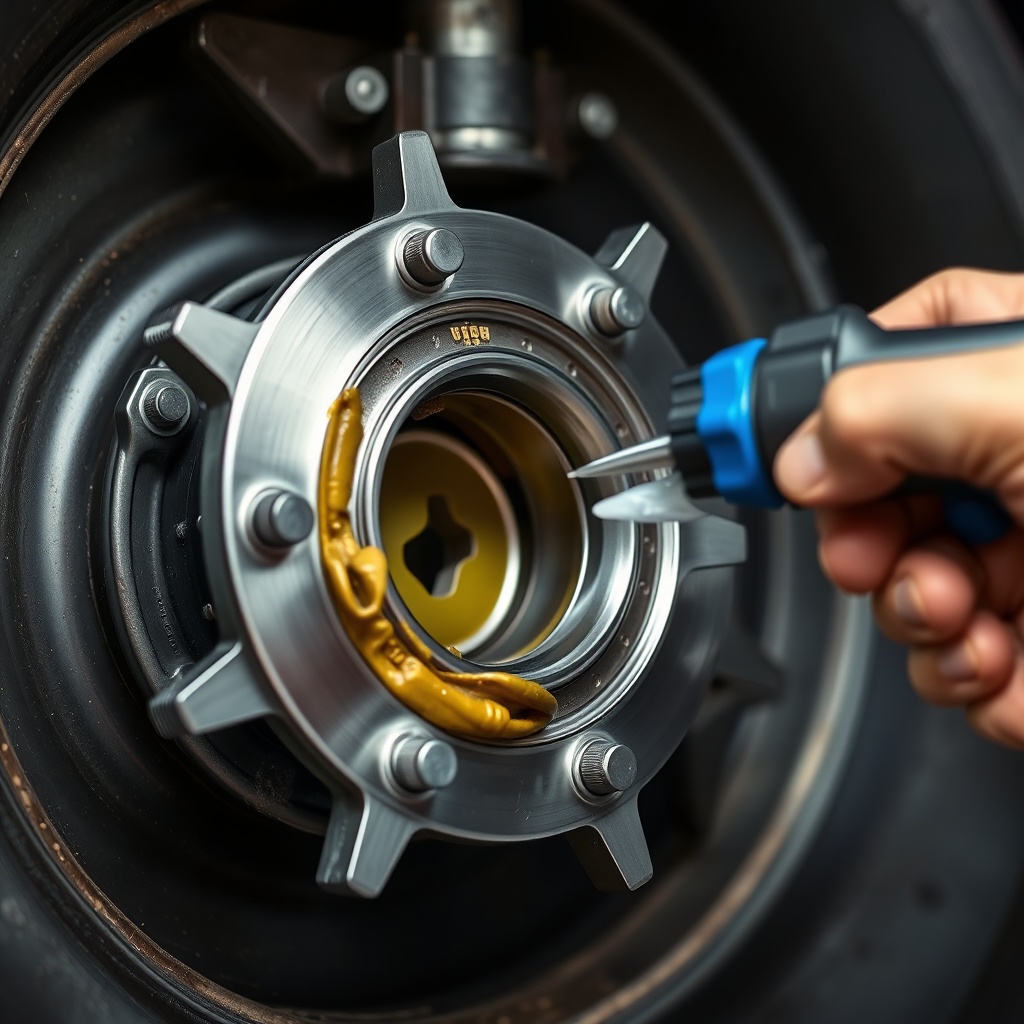
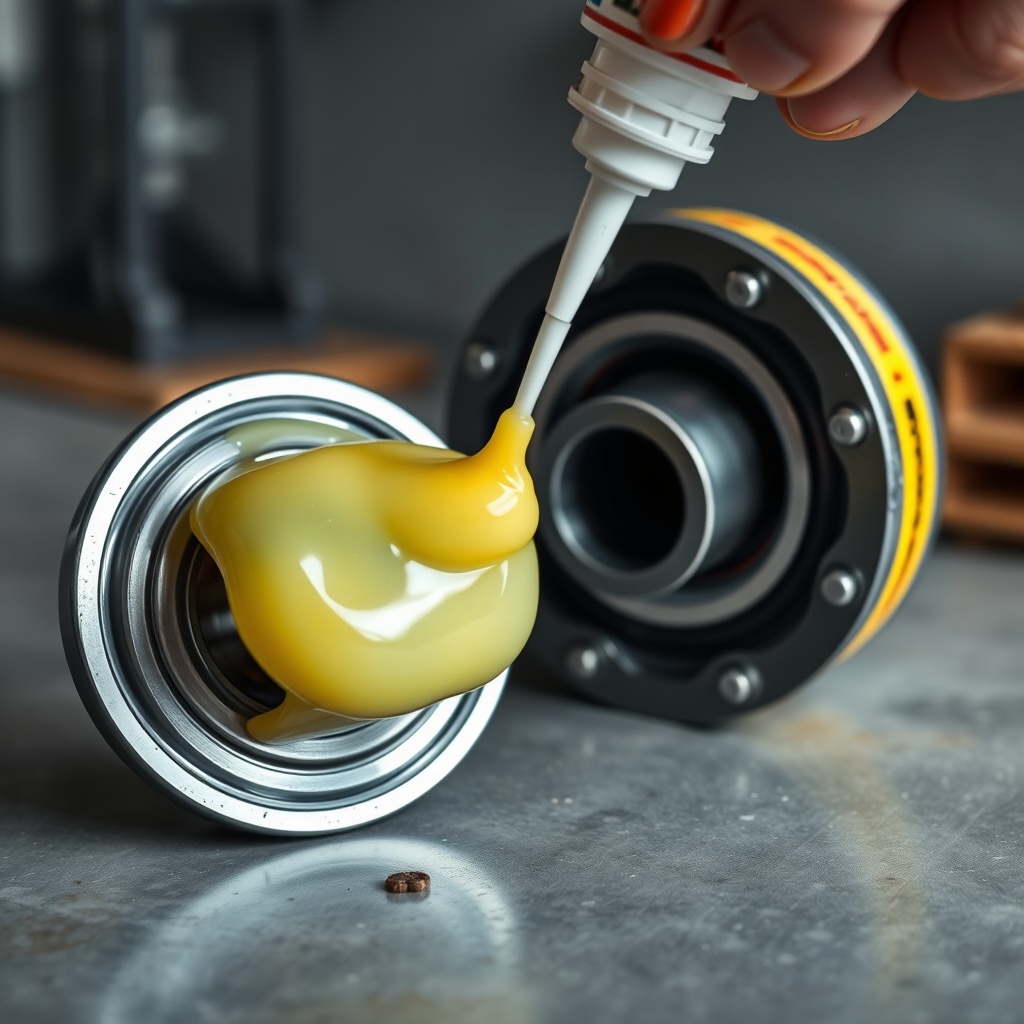
The lubricant you choose directly impacts bearing longevity and sealing integrity. For the Timbren HD3500SL, use a high-temperature, extreme-pressure (EP) lithium-complex grease rated for NLGI #2 consistency. Such grease withstands sustained heat from heavy loads (common when towing at 3,500 lbs gross vehicle weight rating) and resists water washout. Avoid multipurpose chassis greases—they lack the film strength for hub bearing pressures exceeding 30,000 psi under peak loads.
- Recommended grease: Valvoline Palladium #2 or Mobilith SHC 100
- NLGI grade: #2 (soft enough to pump, stiff enough to stay in bearings)
- Dropping point: Minimum 260°C (500°F)
Always check the owner manual, but for aftermarket hubs—often used with Timbren HD3500SL—lithium-complex is the gold standard. For specific bearing care, see our guide on Timbren HD3500SL: Best Bearing Selection & Care for Heavy Loads.
How Often Should You Regrease the Timbren HD3500SL Bearings?
Frequency depends on use, but a safe baseline is every 12,000 miles (19,312 km) or annually, whichever comes first. Under constant heavy loads (over 3,000 lbs per axle for more than 50% of trips), halve that interval to 6,000 miles or six months. Over-greasing is also a problem—excess grease builds pressure against the seal, causing blowouts. Use a grease gun with a known volume per pump (typically 1 gram per pump), and apply until fresh grease emerges from the bearing cage but before it pushes past the seal.
| Usage Severity | Interval | Lubricant Amount (per bearing) |
|---|---|---|
| Light (under 2,000 lbs, occasional) | 12,000 miles / 1 year | 2–3 grams |
| Medium (2,000–3,000 lbs, weekly towing) | 8,000 miles / 8 months | 3–4 grams |
| Heavy (3,000–3,500 lbs, daily use) | 6,000 miles / 6 months | 4–5 grams |
| Extreme (3,500 lbs, off-road or dust) | 3,000 miles / 3 months | 5–6 grams |
For a full service timeline, refer to our Timbren HD3500SL: Complete Maintenance Schedule & Checklist.
What Are the Symptoms of a Failing Lip Seal on the Timbren HD3500SL?
The hub lip seal is the first defense against contamination and lubricant loss. A failing seal often shows subtle signs before catastrophic failure. Look for these indicators:
- Grease weeping: A dark ring or drip around the outer diameter of the hub flange after a trip.
- Reduced bearing grease volume: When inspecting, if bearing grease appears dry or blackened, the seal may be allowing dirt ingress.
- Hub overheating: A hot hub cap (over 160°F/71°C after a short drive) indicates friction from dry bearings, often caused by seal failure.
- Excessive play: If you feel radial or axial movement in the wheel when lifted, the seal may have allowed the bearing to wash out.
Inspect seals during every tire rotation. A common cause of premature seal wear on the HD3500SL is improper installation—seals must be pressed in square to the bore, never tapped with a hammer. For a component breakdown of the hub assembly, see Timbren HD3500SL: Hub Assembly Component Breakdown & Replacement Guide.
How Do You Properly Seat a New Hub Seal on the Timbren HD3500SL?
Seat replacement is a precise operation. First, remove the old seal with a seal puller, taking care not to gouge the hub bore. Choose a replacement seal with the correct inner diameter (ID) and outer diameter (OD) for the Timbren spindle—typically 1.718″ ID x 2.834″ OD for the 3,500 lb axle. Clean the bore with a lint-free cloth and apply a thin layer of fresh grease to the seal lip before pressing it in. Use a seal driver or a large socket of matching diameter to press the seal flush with the hub face, not recessed beyond 0.020 inch. Over-seating causes the lip to run against the spindle shoulder, accelerating wear. Under-seating leaves a gap for dirt ingress. Torquing the spindle nut to the correct preload—25–30 ft-lb while rotating the hub—is critical after seal installation. For upgrade options, check Timbren HD3500SL: Hub Assembly Component Breakdown & Upgrade Options.
What Is the Correct Procedure for Greasing the Timbren HD3500SL During a Brake Servicing?
Brake servicing often coincides with hub maintenance. When replacing brake shoes or adjusting the brake magnet on electric brakes—common on HD3500SL setups—you must remove the hub. After removing the hub, clean all old grease from bearings and races with a solvent like mineral spirits. Inspect the bearings for pitting or blueing; replace if damaged. Pack each bearing by hand: push grease into the large end of the roller until it squeezes out the small end. Reinstall bearings, then add 3–5 grams of fresh grease into the hub cavity between the bearings (not the spindle area). This cavity acts as a reservoir. Then, install a new lip seal as per the procedure above. Finally, after reassembly, adjust the brake gap to 0.010–0.015 inch for optimal magnet contact. Brake performance is tied to proper seal function—leaks can contaminate brake assemblies. For a step-by-step electrical guide, see Timbren HD3500SL: Brake System Upgrade & Wiring Guide.
What Owners Say About the Timbren HD3500SL Lubrication and Sealing Performance
Owner experiences on forums like TrailerHub and RV.net emphasize that the HD3500SL’s sealed hub design reduces maintenance compared to standard axles, but only if owners proactively grease annually. One owner who tows a 7,000 lb boat (two axles) reported that after switching to lithium EP grease and replacing seals every two years, bearing temps dropped by 20°F and wear was almost nil after 30,000 miles. Another noted that a single missed grease interval (18 months between services) caused a seal leak that contaminated the brake magnet, costing £320 (approximately $400 USD) in parts and labor. Several owners recommend using a digital hub temperature gun during rest stops—anything over 150°F calls for immediate regreasing or seal inspection. Overall, the consensus is that the HD3500SL rewards diligent owners with decades of service, but lubricant choice and seal replacement are the most neglected critical tasks.
Frequently Asked Questions
Q: Can I use synthetic grease in my Timbren HD3500SL hubs?
A: Yes, synthetic lithium-complex greases like Mobilith SHC 100 offer superior temperature range (−40°F to 300°F) and longer life. They mix well with conventional greases if topping off, but always flush old grease for best results.
Q: How do I tell if my hub seal is the correct replacement for the HD3500SL?
A: The seal ID/OD stamped on the old seal matches your spindle. For a 3,500 lb axle, common part numbers are National 473235 or Timken 473235. Measure with calipers if in doubt.
Q: What is the cost of a replacement hub seal for the Timbren HD3500SL?
A: Expect £8–£15 ($10–$19 USD) per seal from brands like SKF or National. A complete kit with bearings costs £25–£40 ($32–$50 USD).
Q: Can I use a grease gun with a standard needle adapter on Timbren HD3500SL hubs?
A: Yes, but only on hubs with a zerk fitting. Most Timbren hubs are not pre-drilled for zerks—you’ll need to pack bearings manually. If retrofitting, install zerks on the hub face for easier maintenance.
Q: Does the Timbren HD3500SL require a different seal when used with electric brakes?
A: No, the same lip seal is used regardless of brake type. However, ensure the seal is installed with the lip facing inward (toward the bearing) to contain grease and exclude contaminants.
Q: How often should I check bearing play in the Timbren HD3500SL?
A: At every lubrication interval. Lift the wheel, grab at 12 and 6 o’clock, and push/pull. Play more than 0.005 inch indicates worn bearings or loose spindle nut, which affects seal alignment. Adjust preload as needed.
For additional weight distribution insights for safe towing, see Timbren HD3500SL: Load Leveling & Weight Distribution Tips for Safe Towing.