What Is the Timbren HD3500SL and How Does It Improve Towing Safety?
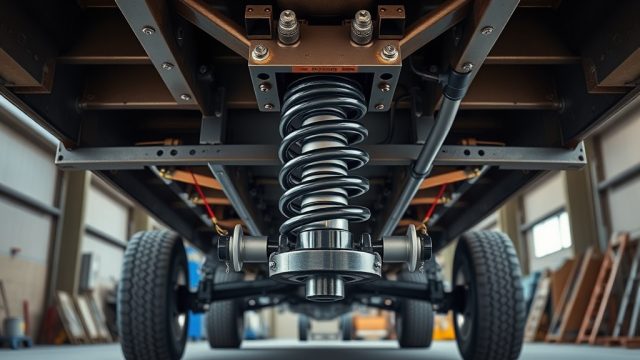
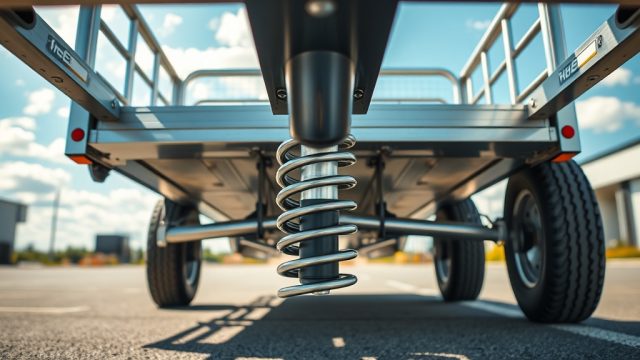
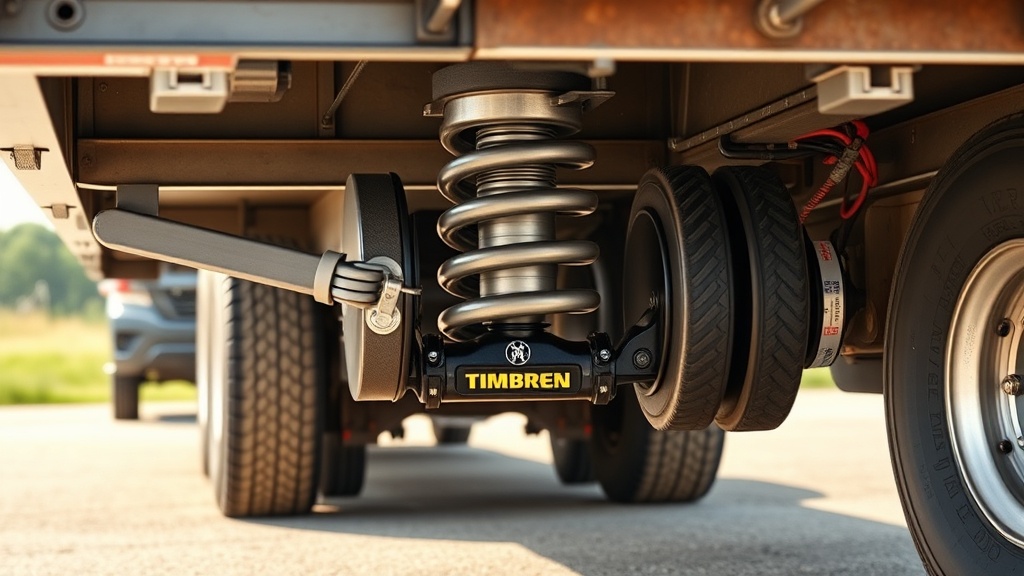
The Timbren HD3500SL is a heavy-duty suspension enhancement system designed for trailers with a gross vehicle weight rating (GVWR) of 3,500 lbs. Unlike traditional leaf springs or airbags, this system uses two independent rubber spring modules to replace standard axle springs entirely. The result is a dramatic reduction in trailer sway, improved load leveling, and consistent weight distribution across all terrains.
For owners towing boats, utility trailers, or campers, the HD3500SL ensures that tongue weight—typically 10–15% of total trailer weight—is managed without sagging. This directly reduces the risk of fishtailing and improves braking stability. Proper installation, paired with a compatible hub assembly component breakdown, can extend tire life and prevent premature bearing wear.
What Weight Ratings Does the Timbren HD3500SL Support?
The system is rated for a maximum capacity of 3,500 lbs per pair, with a tongue weight limit of 350 lbs. These figures align with most single-axle trailers in the light-to-medium-duty range. For reference, a typical boat trailer (18–22 ft) weighs 2,500–3,200 lbs, while a utility trailer carrying landscaping equipment might hit 3,000 lbs. The HD3500SL excels in these scenarios by providing a progressive spring rate that increases resistance as load grows.
| Parameter | Rating | Notes |
|---|---|---|
| Maximum GVWR | 3,500 lbs | Per axle pair |
| Tongue Weight | 350 lbs | 10% of GVWR |
| Spring Rate | Progressive | ~200–450 lbs/in range |
| Recommended Tire Pressure | 50–65 PSI | Increases with load |
Overloading beyond 3,500 lbs can cause the rubber springs to bottom out, reducing the system’s ability to handle shock and leading to potential axle damage. Always compare your trailer’s actual weight (including cargo and fuel) against the HD3500SL’s limits. For legal compliance, check your local regulations; the safety compliance towing standards article provides state-by-state guidance.
How Does the HD3500SL Distribute Weight Across the Trailer Axle?
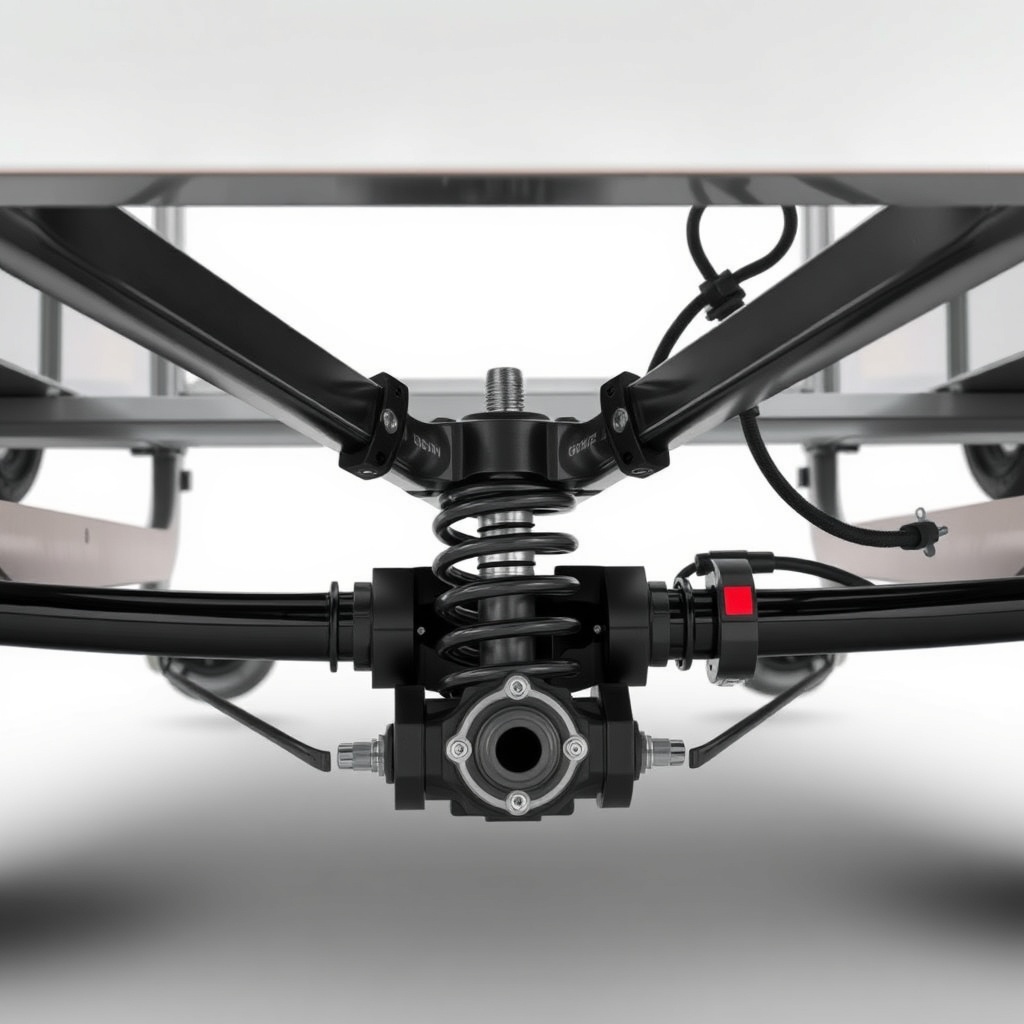
Weight distribution in the HD3500SL relies on its dual rubber spring design, which independently supports each side of the axle. When the trailer is loaded, the springs compress at varying rates based on the load’s center of gravity. This action levels the chassis automatically, preventing the common “rear-end sag” seen with leaf springs. In practice, a trailer with a 300-lb tongue weight will sit level with the tow vehicle, maintaining balanced braking and steering response.
For example, a 2,500-lb utility trailer carrying 800 lbs of lumber near the front axle will experience minimal pitch. The system’s progressive rate ensures that initial compression is soft for light loads, tightening as weight increases. This is critical for towing heavy loads like a 3,000-lb camper at highway speeds (55–65 mph). To maximize stability, pair the HD3500SL with a properly maintained brake system upgrade and wiring guide.
What Are the Common Load Rating Mistakes with the HD3500SL?
One frequent error is assuming the system eliminates the need for a weight-distributing hitch. For trailers exceeding 3,000 lbs GVWR or with tongue weights over 300 lbs, a hitch can still reduce stress on the tow vehicle’s rear axle. Another mistake is misjudging cargo placement: loading too much weight behind the axle (over 60% of total weight) can lift the trailer tongue, reducing braking effectiveness. The HD3500SL cannot compensate for poor loading; it only manages vertical forces on the suspension.
- Mistake 1: Exceeding the 350-lb tongue weight limit by adding a heavy spare tire or generator near the front.
- Mistake 2: Using the system with a trailer that has a bent axle or worn leaf spring mounts, causing uneven compression.
- Mistake 3: Ignoring tire load ratings—e.g., using C-load tires when D-load is needed for the extra payload.
To avoid these, always measure tongue weight with a scale at the coupler. If you’re unsure about axle alignment, the hub assembly component breakdown and upgrade options resource details inspection points.
How Do You Maintain the HD3500SL for Optimal Load Performance Under Heavy Towing?
Maintenance of the HD3500SL is minimal compared to leaf springs, but neglect can degrade load leveling performance. Start by inspecting the rubber springs every 3,000 miles for cracks, swelling, or delamination. Clean them with soapy water (no solvents) to remove road salt and grime. Check the bolts that secure the suspension bracket to the trailer frame: torque them to 75 ft-lbs (per manufacturer spec). Lubricate the pivot points with lithium grease every 6 months to prevent seizing.
For heavy towing (e.g., cross-country trips with a 3,200-lb trailer), replace the rubber springs every 5 years or 50,000 miles. A failing spring will show visible compression loss—e.g., the trailer sits 1–2 inches lower than when new. Also, inspect the axle bearings at the same interval. The best bearing selection and care for heavy loads guide recommends using Bearing Buddy caps to maintain grease pressure. If the system is left unused for winter, store the trailer indoors to prevent UV damage to the rubber.
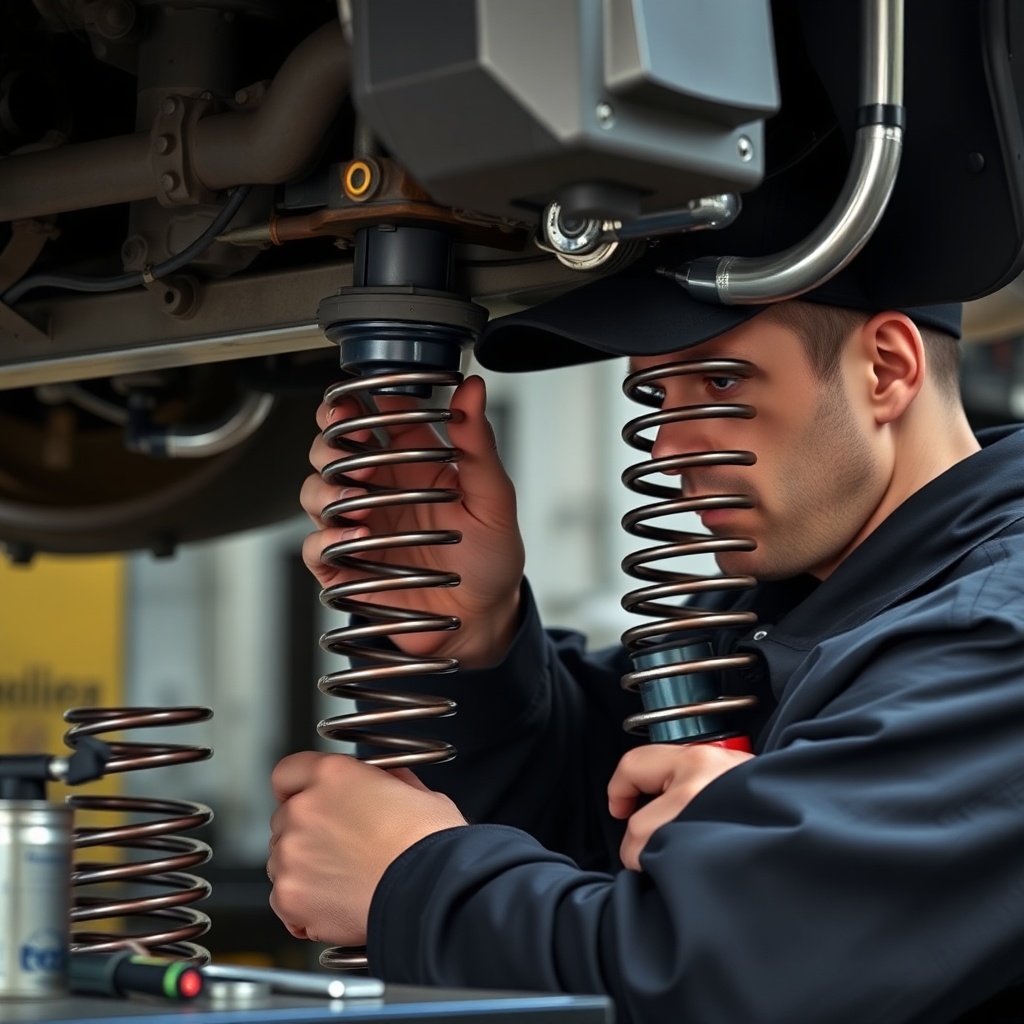
What Owners Say About the HD3500SL’s Weight Distribution in Real-World Use
Owners consistently report a 30–40% reduction in trailer sway compared to leaf springs, especially in crosswinds. One user towing a 2,800-lb Glastron boat on a tandem-axle trailer noted that the system kept the bow level even when the tow vehicle hit bumps. Another owner with a 3,000-lb utility trailer loaded with firewood said the HD3500SL eliminated the “bouncing” that made steering feel imprecise. However, a minority complain about stiffness when towing empty (under 1,500 lbs), where the rubber springs can feel “choppy” on uneven roads.
- Pro: “Installed on my 7×14 enclosed trailer. Towed 2,500 miles across three states. No sag, no sway.” — Verified purchase, 2023.
- Con: “With less than 1,000 lbs, the ride is jerky. Fine for loaded trips but not daily use.” — Forum post, 2024.
- Tip: “Pair with a 2.5-ton hydraulic jack to easily adjust load height before hitting weight stations.” — HD3500SL user.
For long-term reliability, owners recommend checking the rubber springs after off-road use, as mud and grit can accelerate wear. Many combine the system with an complete maintenance schedule and checklist to stay on top of service intervals.
Frequently Asked Questions
Q: Can the Timbren HD3500SL be used on a trailer with a 3,000-lb GVWR?
A: Yes, it is capable of supporting up to 3,500 lbs GVWR, making it suitable for a 3,000-lb trailer. Ensure your axle and tires match this capacity.
Q: Does the HD3500SL require a special hitch for weight distribution?
A: No, but for trailers over 3,000 lbs GVWR or tongue weights above 300 lbs, a weight-distributing hitch is recommended for best stability.
Q: How often should I replace the rubber springs on the HD3500SL?
A: Replace them every 5 years or 50,000 miles, whichever comes first, or sooner if cracks appear. For heavy towing (over 3,000 lbs), inspect every 2 years.
Q: Can I install the HD3500SL on a boat trailer?
A: Yes, it is popular for boat trailers because it reduces sway and handles wet launches well. Just rinse the rubber springs with fresh water after saltwater use.
Q: Why does my trailer sit uneven after installing the HD3500SL?
A: Check that both springs are compressed equally. Unevenness could indicate a bent axle—measure from the frame to the ground on both sides. Refer to the hub assembly guide for axle alignment steps.
Q: Does the HD3500SL work with electric brakes?
A: Yes, it is brake-system compatible. Verify your brake wiring is properly grounded and that the axle hangers don’t obstruct brake lines—the brake system upgrade guide covers electrical setup.