How Does the Timbren HD3500SL Define Bearing Load Handling?
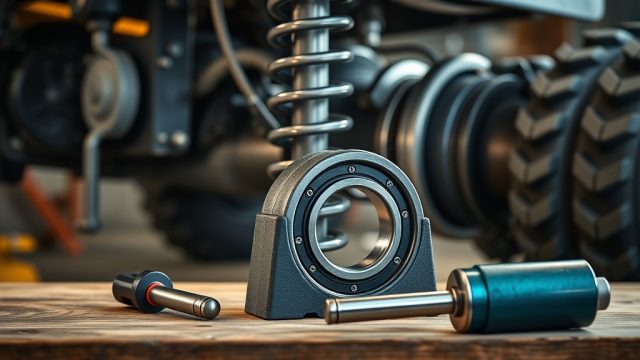
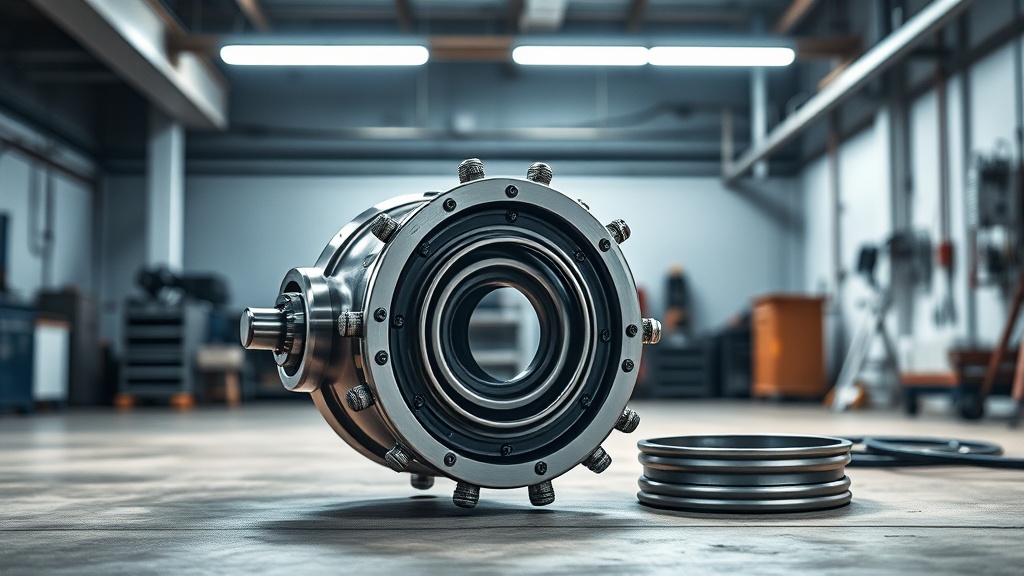
The Timbren HD3500SL is a heavy-duty suspension and axle system built for trailers with a 3,500 lbs gross vehicle weight rating (GVWR). When discussing bearing selection, the key metric is the raw load at the spindle—typically reaching up to 1,750 lbs per side under maximum payload. The standard bearing set includes a 1-1/16″ inner bearing (L44649/L44610) and a 1-1/4″ outer bearing (LM67048/LM67010). These tapered roller bearings are designed to handle radial and thrust loads from heavy cargo, such as off-road equipment pallets or livestock trailers. The HD3500SL uses a 2″ round axle rated for 3,500 lbs, meaning the bearings must sustain continuous rotational loads at highway speeds without overheating.
Bearing material is standard SAE 52100 chrome steel, heat-treated to Rockwell C60–66. The raceways are ground to a tolerance of 0.0005″. This precision allows the roller taper to sit flush, distributing stress during sharp turns. Owners should note that the Timbren HD3500SL’s rubber torsion axle design eliminates leaf spring wrap-up, which can cause uneven bearing wear in conventional setups. For a deeper dive into the specific components inside the hub, see the Timbren HD3500SL: Hub Assembly Component Breakdown & Replacement Guide.
Which Grease Type Should I Use for the Timbren HD3500SL Bearings?
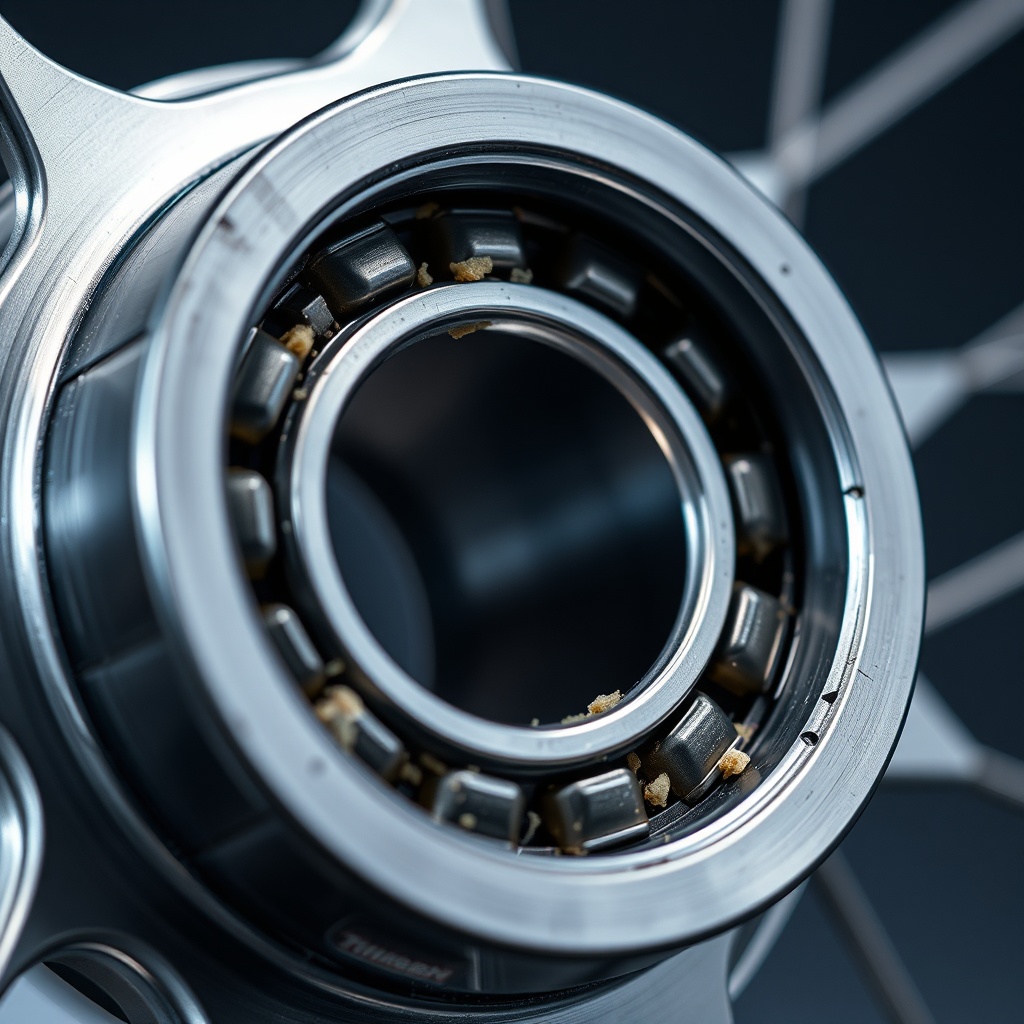
The Timbren HD3500SL factory spec calls for an NLGI #2 lithium-complex grease with a minimum dropping point of 260°C (500°F). For loaded trailers operating in temperatures above 40°C, consider a synthetic polyurea-based grease rated for 300°C. Avoid mixing greases—always purge old grease completely before repacking. The hub cavity holds approximately 80–120 grams (3–4 oz) of grease for a single axle. For dual-axle HD3500SL setups, double that volume. Use a grease gun with a 90-degree needle adapter to reach the bearing cone recesses.
One common mistake is overpacking the hub cap; excess grease generates heat and forces seals to leak. The correct method is to fill the cavity about one-third full after packing bearings manually. For detailed sealing procedures, refer to Timbren HD3500SL: Absorption & Sealing Best Practices.
What Is the Correct Bearing Preload and Torque Sequence?
Bearing preload on the Timbren HD3500SL is set via a castle nut on the spindle. The procedure is sequential: tighten the nut to 50 ft-lb while rotating the hub to seat the bearings, then back off completely. Re-torque to 12–15 ft-lb finger-tight, then install the cotter pin. If the hole does not align, tighten only to the next slot—never loosen to align. The final end play should be 0.001″ to 0.003″ (0.025–0.076 mm). Too much preload leads to bearing overheating; too little causes wheel wobble.
Check the brake system before torquing—the Timbren HD3500SL: Brake System Upgrade & Wiring Guide covers proper brake magnet gap, which can be affected by hub runout. Use a dial indicator on the hub face; maximum runout tolerance is 0.005″. After tightening, spin the wheel: it should rotate freely with a slight magnetic drag from the brake magnets, but no grinding.
| Parameter | Timbren HD3500SL Specification | Severity if Incorrect |
|---|---|---|
| Bearing Type | L44649 inner / LM67048 outer (tapered roller) | Catastrophic failure if wrong taper angle |
| Nut Torque (initial seat) | 50 ft-lb (67.8 N·m) | Race deformation above 70 ft-lb |
| Final Torque | 12–15 ft-lb (16.3–20.3 N·m) | Wheel separation if below 10 ft-lb |
| End Play | 0.001″–0.003″ (0.025–0.076 mm) | Overheating >0.005″ play |
| Grease Type | NLGI #2 lithium-complex, ≥260°C drop point | Fluid loss at high temp if lower spec |
| Grease Amount per Hub | 80–120 grams (3–4 oz) | Seal rupture if >150 grams |
| Spindle Runout Limit | 0.005″ (0.127 mm) | Vibration and bearing fatigue beyond 0.008″ |
How Often Should Bearings on the Timbren HD3500SL Be Serviced?
For trailers equipped with the Timbren HD3500SL, bearing repacking intervals depend on usage conditions. Under normal highway use (under 30,000 km per year), repack every 12 months or 20,000 km, whichever comes first. For off-road or marine environments (saltwater launch), reduce to every 6 months. Use a bearing puller to remove the outer race only if pitting is visible. Replace the inner race if shallow spalls exceed 1 mm diameter.
A full service includes cleaning the spindle and hub bore with solvent, inspecting the seal surface for grooving, and replacing the Timbren HD3500SL: Complete Maintenance Schedule & Checklist includes a downloadable log. Always replace cotter pins—never reuse them. If the hub feels hot (over 65°C or 150°F) after towing, immediate inspection is required.
What Are the Signs of Bearing Failure on the Timbren HD3500SL?
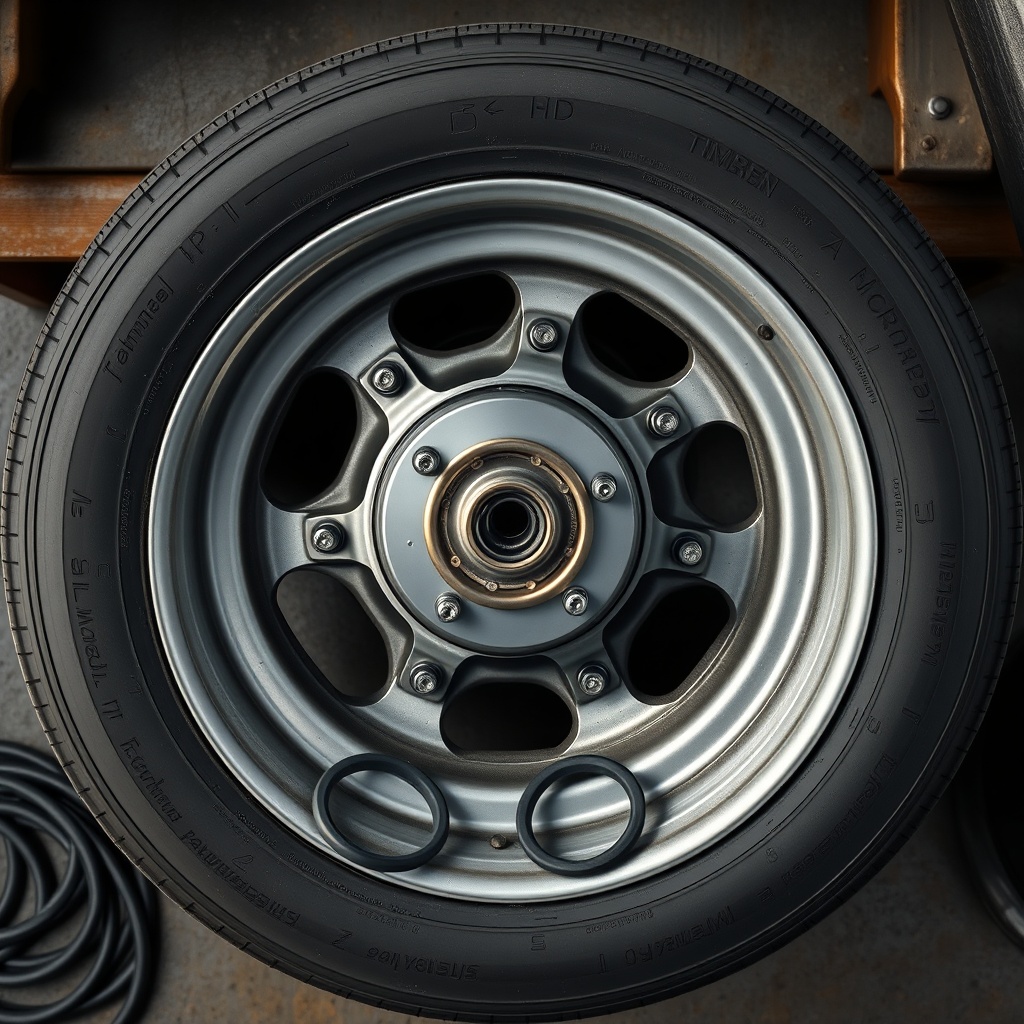
Bearing failure in the Timbren HD3500SL typically manifests as a roaring or grinding noise that changes with left vs right turns. During a visual inspection, look for discolored grease (gray or metallic sheen), chipped rollers, or flaking on the raceway. A loose wheel when lifted off the ground indicates severe race wear. Another common fault is brinelling—static overload dents in the race from parking on uneven surfaces. These indentations create vibration at 50–60 km/h.
If you notice grease leaking past the seal, it may indicate excess pressure or a worn seal lip. The seal part number for the HD3500SL is 10-48 (double-lip with garter spring). Replace both seals and bearings simultaneously. For the full hub breakdown, check the Timbren HD3500SL: Hub Assembly Component Breakdown & Upgrade Options for aftermarket bearing upgrades like ceramic hybrid bearings.
What Owners Say About Bearing Care on Their Timbren HD3500SL
Owners consistently praise the Timbren HD3500SL for its bearing longevity under heavy loads. “I tow a 3,200 lbs skid steer weekly for three years—only repacked bearings twice, no play ever,” says a contractor from Texas. Another owner notes that the torsion axle reduces side-to-side stress, making bearing maintenance less frequent than leaf spring setups. Complaints focus on the cost of replacement bearing sets, which average $45–55 per wheel at local dealers. Some suggest upgrading to sealed bearings if operating in dusty conditions, though Timbren does not endorse this modification due to heat dissipation concerns.
A common tip from forums is to grease the bearings before the first trip, as factory packing can be minimal. One owner recommends using a infrared thermometer to check hub temperature after every stop during break-in. For safety compliance, see Timbren HD3500SL: Safety Compliance & Towing Standards to ensure your bearing maintenance meets DOT requirements.
Frequently Asked Questions
1. Can I use marine grease on Timbren HD3500SL bearings?
Yes, if it is NLGI #2 with corrosion inhibitors, but avoid lithium-base marine greases as they may not handle high axle loads for extended towing.
2. What is the torque for the bearing nut on a Timbren HD3500SL with dual axles?
The torque sequence is identical—50 ft-lb initial, then back off to 12–15 ft-lb final. Dual axles do not change the spindle specs.
3. How do I know if my Timbren HD3500SL bearings are overheating?
Use a contact thermometer. Normal hub temp after 15 minutes of high-speed towing is 50–60°C (122–140°F). Above 75°C (167°F) indicates insufficient grease or preload.
4. Are the bearings in the Timbren HD3500SL the same as regular 3,500 lbs axles?
Mostly, yes—the L44649 and LM67048 are industry-standard. However, the HD3500SL spindle taper differs slightly; always use the Timbren-specified bearing set to avoid misalignment.
5. Can I convert my Timbren HD3500SL to oil bath bearings?
Aftermarket conversion kits exist, but Timbren warns they may void the axle warranty due to different seal pressure requirements. Stick with grease if under warranty.
6. How much does a complete bearing replacement cost for a Timbren HD3500SL?
Parts alone: two races and cones per hub cost about $35–55 USD. Including seals ($10–15 each), total per wheel is $45–70 USD. Shop labor can add $80–120 per hour.