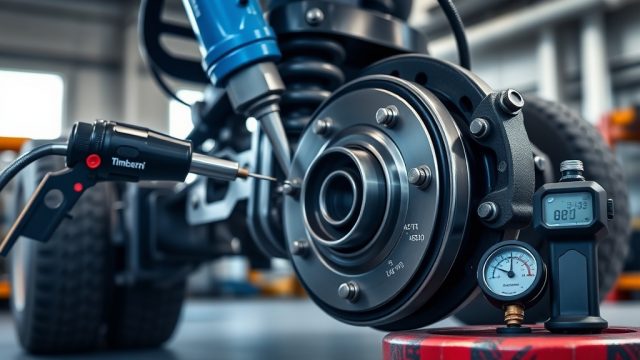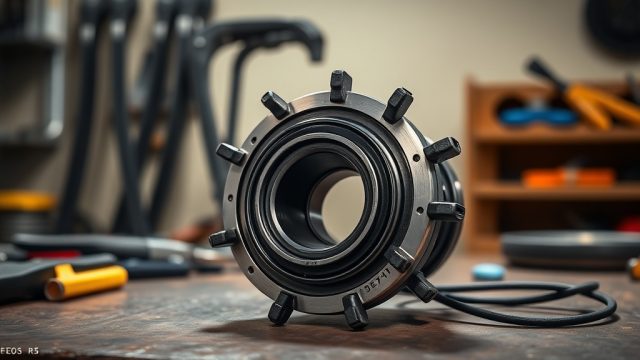
How Does the Timbren HD3500SL Benefit from Proper Lubrication and Sealing?
The Timbren HD3500SL is a heavy-duty suspension system designed for trailers with capacities up to 3,500 lbs per axle, often used in utility, boat, and enclosed trailers. Proper lubrication and sealing are critical to preventing premature wear, corrosion, and failure of the axle hub assembly, especially under heavy loads and frequent use. This article delves into best practices for lubricating and sealing the Timbren HD3500SL, ensuring long-term reliability and performance. For a deeper understanding of the system’s load capacities, refer to our guide on Timbren HD3500SL: Axle Capacity Misconceptions & Correct Load Rating Guide.
What Lubricant Type Is Recommended for the Timbren HD3500SL Hubs?
For the Timbren HD3500SL’s hub assembly, using a high-quality, extreme-pressure (EP) grease with a National Lubricating Grease Institute (NLGI) grade of 2 is standard. Look for lithium complex or calcium sulfonate greases that offer superior water washout resistance, as trailers are often exposed to rain, snow, or high-pressure cleaning. Avoid using multi-purpose greases with low dropping points, as they can degrade under the high temperature generated by heavy loads on long journeys.
Typical gear oil, like SAE 80W-90, is not recommended for these hubs unless the system uses an oil bath setup—which the HD3500SL does not. Instead, the hub uses sealed or serviceable bearings that require grease. Always check your owner’s manual, but many owners prefer Lucas Oil Red ‘N’ Tacky #2 or Mobilgrease XHP 222 for their shear stability and rust protection.
A common misconception is that more grease is better; however, overfilling can cause excess pressure, leading to seal failure. Fill the hub cavity about one-third to one-half full during packing, ensuring the grease coats all bearing surfaces.
How Often Should I Inspect and Repack the Bearings on the Timbren HD3500SL?
Inspection frequency depends on usage. For trailers carrying heavy loads (80-100% capacity) weekly, repack bearings every 12 months or 12,000 miles, whichever comes first. For lighter, occasional use (e.g., weekend camping), extend to 24 months. However, inspect bearings after any water submersion or heavy rain exposure—even a single trip through deep puddles can wash out grease and introduce moisture.
Signs that repacking is needed include:
- Wobble in the wheel when jacked up (indicates bearing wear).
- Excessive hub heat after a short drive (touch near the hub center—if too hot to hold, grease may be missing).
- Gritty or discolored grease on the spindle when removing the hub.
During inspection, check the axle spindle for scoring or grooves—these can lead to premature seal wear. If you notice any, consider upgrading to a new spindle or using a seal repair sleeve. For specific component details, see our Timbren HD3500SL: Hub Assembly Component Breakdown & Upgrade Options.
What Are the Best Sealing Practices for the Timbren HD3500SL Kit?
Sealing is equally important as lubrication. The HD3500SL uses a combination of an inner axle seal (often a double-lip design) and a dust cap on the outer nut. A poor seal allows contaminants like water, dirt, and salt to enter, causing bearing failure within weeks.
Key sealing steps during maintenance:
- Use a fresh inner seal each time you repack bearings. Never reuse an old seal—micro-cracks can form even if they appear intact.
- Apply a thin layer of silicone or bearing grease to the outer lip of the seal before pressing it into the hub. This reduces friction and prevents dry runs on installation.
- Ensure the seal is pressed squarely into the hub bore. Use a seal driver tool or a large socket to avoid distorting the metal casing.
- For the dust cap (on the end of the hub), apply a bead of RTV silicone gasket maker around the cap’s edge before seating it. This adds a second line of defense against moisture.
Some HD3500SL owners opt for aftermarket seals like those from Timken or SKF, which offer better lip durability. If you experience repeated seal leaks, check the axle tube—bends or damage can misalign the hub and cause uneven wear.
How Do I Properly Remove and Replace the Hub Seals on the Timbren HD3500SL?
Replacing seals can be done with basic tools, but technique matters to avoid damage. Follow these steps for the HD3500SL:
Removal: After removing the wheel and drum, remove the outer nut and washer. Pull the hub straight off the spindle—do not rock it, as this can damage the seal. Use a seal puller or flathead screwdriver to pry out the old seal gently, working around its perimeter. Discard the seal.
Inspection: Clean the spindle thoroughly with a lint-free cloth. Check for rough spots—if present, the new seal will fail quickly. Use emery cloth to smooth minor imperfections, but consider replacement for deep grooves.
Installation: Apply a light coat of grease to the spindle surface where the seal lip rides (this helps prevent dry start). Press the new seal into the hub with the lip facing inward (toward the axle). Seat it until flush with the hub face—do not overdrive it past the groove. Many mechanics use a large socket (same diameter as the seal) to tap it in evenly.
After installation, spin the hub by hand; if you feel dragging, the seal lip may be folded—stop and redo. For more tips on installation, read our Timbren HD3500SL: Pro Installation & Retrofit Tips for Smooth Setup.
What Is the Recommended Torque for the Timbren HD3500SL Hub Nuts?
Incorrect nut torque is a leading cause of hub failure. For the HD3500SL, use this table for proper torque values (all values in ft-lbs):
| Component | Torque (ft-lbs) | Notes |
|---|---|---|
| Inner bearing nut (first pass) | 50 | During initial installation, while rotating the hub. |
| Inner bearing nut (final pass) | 30-35 | Back off nut from 50 ft-lbs, then tighten to this range. |
| Outer nut | 50-60 | Use a torque wrench—do not guess. |
| Dust cap | Hand-tight + 1/4 turn | Too tight can distort cap and let water in. |
Always tighten to the lower end of the range for aluminum hubs (common on some HD3500SLs) to prevent galling. Recheck torque after the first 50 miles of a trip, as bearing seating can loosen the nut. For brake-related torque specs, see our Timbren HD3500SL: Trailer Brake Controller Setup & Calibration Guide.
What Owners Say About Lubrication and Sealing on the Timbren HD3500SL
Long-term users of the Timbren HD3500SL often share consistent feedback: “Grease quality matters more than you think.” Owners report that switching from generic multi-purpose grease to a marine-grade, lithium-complex grease prevents seasonal bearing failures, especially in saltwater environments. One owner noted, “After using a cheap grease, I had to repack every six months. With Mobilgrease XHP 222, it’s been two years without issues.”
Seal discussions frequently mention the importance of not cheaping out on inner seals. Many recommend paying $12–$15 per seal (vs. $5 for generic) from brands like National or Timken, citing fewer leaks and longer lifespan. Another common tip is to install a zerk fitting on the hub backing plate for easy grease injection between full repacks—though Timbren does not officially recommend modifying the assembly, many owners do it successfully.
Owners also emphasize that improper torque—like over-tightening the outer nut to 75 ft-lbs—can cause a binding sensation that owners mistake for a bad seal. Always follow the torque table, and if you hear a grinding noise after a trip, stop and inspect immediately.
Frequently Asked Questions
Q: Can I use synthetic grease on the Timbren HD3500SL?
A: Yes, synthetic grease (e.g., NLGI #2 synthetic) is compatible and offers better high-temperature stability. It is particularly recommended for heavy loads over 3,000 lbs or trailers used in hot climates (above 100°F).
Q: How do I tell if the inner seal is leaking?
A: Look for a small puddle of grease on the inside of the wheel drum or near the backing plate. A dark, wet ring around the spindle indicates seal failure—replace it immediately.
Q: Why does my hub feel hot after just 10 minutes of driving?
A: This typically indicates over-packed grease (excess friction) or an over-tightened bearing nut. Wait for it to cool, then check torque. If no improvement, inspect bearings for pitting.
Q: Are there any aftermarket upgrades for seals on the HD3500SL?
A: Yes, consider double-lip seals with a dirt excluder (e.g., Timken 7100 series). They cost around $18 each but double the lifespan. Also, some owners use a bearing buddy-style cap that adds grease pressure to further seal.
Q: What happens if I skip repacking for three years on a lightly used trailer?
A: Even if used lightly, grease can dry out and separate—bearings may corrode. It’s best to repack at least every two years, regardless of mileage, to avoid sudden wheel lock-up or overheating.
Q: Can I use brake cleaner to clean the spindle without damaging the new seal?
A: Yes, but only if the seal is not yet installed. Once the seal is in place, avoid solvents near the lip. For post-installation cleaning, use a clean cloth and isopropyl alcohol instead.
For more brake-specific considerations, see our Timbren HD3500SL: Braking Performance Upgrade Tips and for load balancing, visit Timbren HD3500SL: Load Leveling Techniques for Heavy-Duty Trailers.