Introduction
The Dexter Nev-R-Adjust 10-72 is a critical hub assembly component for heavy-duty trailers, designed to simplify brake adjustment while enhancing reliability. This guide covers everything from component breakdown to replacement steps, ensuring your trailer remains safe and roadworthy. Understanding the hub assembly’s intricacies is essential for proper maintenance and longevity.
What Exactly Does the Dexter Nev-R-Adjust 10-72 Hub Assembly Include?
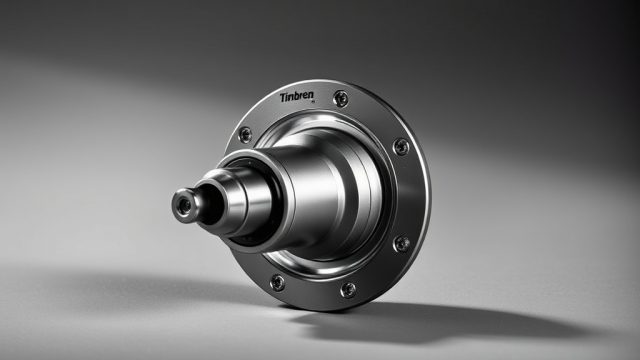
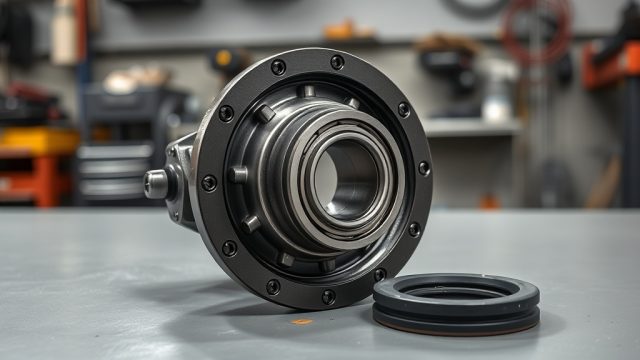
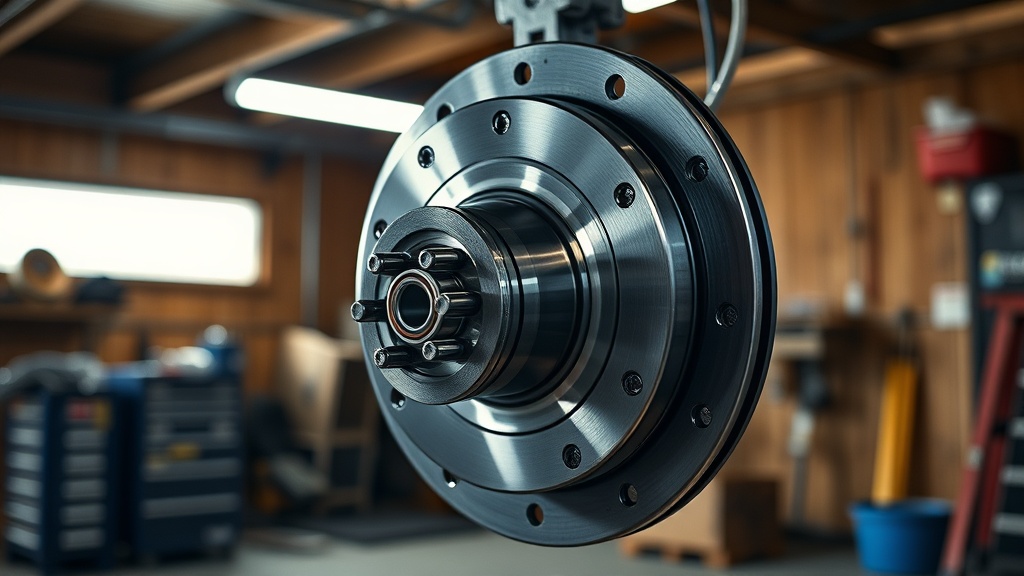
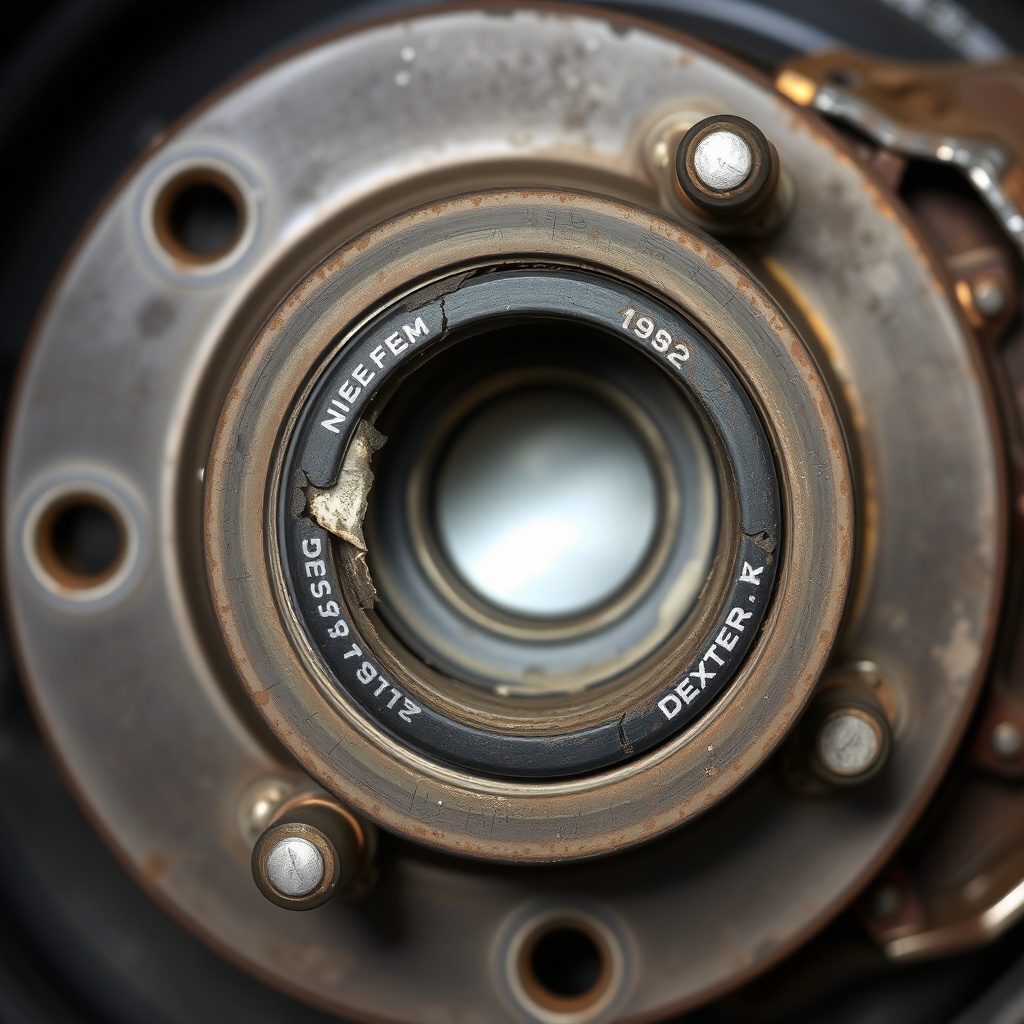
The Dexter Nev-R-Adjust 10-72 hub assembly is a complete, pre-greased unit that integrates the hub, bearings, seals, and often the brake system into a single assembly. Designed for 10-inch by 1-3/4-inch brakes, it eliminates the need for manual adjustment. The assembly typically includes the cast iron hub with integrated bearing races, two tapered roller bearings, a hardened steel grease seal, and pre-installed brake hardware. The “10-72” designation indicates compatibility with Dexter’s Nev-R-Adjust brake system, featuring a 10-inch diameter brake shoe set and 7.2-inch brake flange pattern.
How Do You Identify the Correct Hub Assembly for Your Trailer?
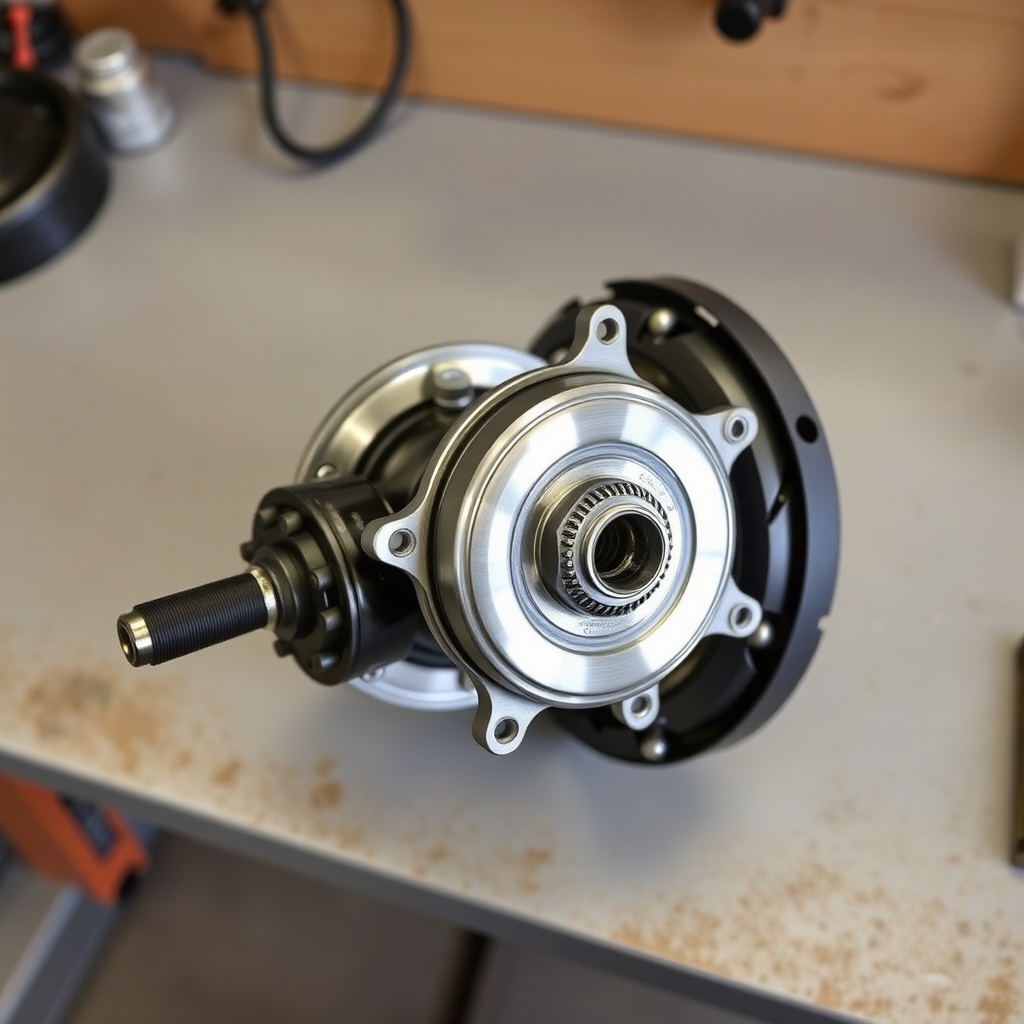
Identifying the correct Dexter Nev-R-Adjust 10-72 hub assembly involves reviewing several critical specifications. The first is axle capacity: these assemblies are rated for trailers with a Gross Axle Weight Rating (GAWR) of up to 5,200 lbs per axle. Next, verify the brake flange bolt pattern—usually 4 bolts on a 6-inch circle. The hub pilot diameter (the hole in the center) must match your axle spindle; common sizes include 1-1/2-inch and 1-3/4-inch spindles. You can also check the part number stamped on the hub casting, typically beginning with “10-72”. For precision, measure the brake drum inside diameter (10 inches) and the wheel bolt pattern (often 5 on 4.5 or 5 on 5). Cross-reference your trailer’s VIN or axle tag with Dexter’s lookup tools.
| Specification | Value |
|---|---|
| Brake Drum Diameter | 10 inches |
| Brake Flange Bolt Pattern | 4-bolt, 6-inch circle |
| Axle Spindle Diameter | 1.5 or 1.75 inches (common) |
| Max GAWR per Axle | 5,200 lbs |
| Wheel Bolt Pattern | 5 on 4.5 inches (common) |
| Grease Fill | High-temperature lithium-based |
| Brake Shoe Width | 1.75 inches |
| Weight (assembly only) | 18.5 lbs (approx) |
What Are the Key Steps for Replacing the Hub Assembly?
Replacing a Dexter Nev-R-Adjust 10-72 hub assembly requires careful procedure for safety. First, jack up the trailer and secure it on jack stands. Remove the wheel and tire, then take off the dust cap, cotter pin, castle nut, and washer. Slide the old hub off the spindle, noting the bearing arrangement. Clean the spindle thoroughly with brake cleaner, inspecting for wear or scoring. Unpack the new assembly, verify the grease seal is intact, and pack the bearing cones with fresh grease. Install the new hub onto the spindle, tightening the castle nut to 50 ft-lbs while rotating the hub. Back off the nut 1/4 turn, then install the cotter pin. Torque the nut to 20 ft-lbs final before peening the cotter pin. Reinstall the dust cap, wheel, and lug nuts to 100 ft-lbs. Repeat on the other side. Always consult the Dexter Nev-R-Adjust 10-72: Complete Brake Wiring & Assembly Guide for detailed brake wiring connections after installation.
After installation, cycle the brake actuator to confirm the brake shoes adjust properly. Check for rubbing or unusual noises. For persistent issues, refer to the Dexter Nev-R-Adjust 10-72: Common Noise Issues & Fixes guide.
How Much Does Replacing the Hub Assembly Cost?
Replacing a Dexter Nev-R-Adjust 10-72 hub assembly involves parts and labor. A new assembly typically costs between $175 and $350 USD per unit, depending on whether it includes the brake system or is just the hub. Professional labor for replacement runs $100 to $200 USD per wheel, including bearing repacking and brake adjustment. Total replacement for both wheels on a tandem axle trailer could range from $550 to $1,100 USD. If you also replace brake magnets, wires, or seals, add $30–$50 USD per wheel. Some owners opt for DIY to save labor costs, but it requires specialized tools like a bearing packer and torque wrench.
What Are Common Signs That the Hub Assembly Needs Replacement?
Several indicators suggest the Dexter Nev-R-Adjust 10-72 hub assembly is failing. Excessive bearing play (over 0.005 inches as measured with a dial indicator) is a primary sign, often accompanied by a clunking or knocking sound when turning. Grease leakage from the dust cap or back of the hub indicates seal failure. Hot spots on the hub after driving (above 180°F measured with an infrared thermometer) suggest bearing overheating. Visible wear on the brake drum surface—grooves, scoring, or blue discoloration—points to metal fatigue. Vibration during braking that worsens over time may indicate hub imbalance. If you experience uneven brake application or brake lockup, inspect the hub for cracks or warping. For a deeper dive into noises, see the Dexter Nev-R-Adjust 10-72: Common Noise Issues & Fixes article.
What Do Owners Say About the Dexter Nev-R-Adjust 10-72 Hub Assembly?
Feedback from owners is generally positive, emphasizing the convenience of the pre-assembled design. Many praise the reduced maintenance time, as the integrated system eliminates manual brake adjustment. Common complaints include occasional difficulty in seating the grease seal during initial installation, and some users report premature bearing wear when towing near max load capacity. Owners also note that the assembly resists corrosion better than older styles, thanks to the powder-coated hub surface. However, a few mention that the brake magnets wear faster than expected—around 50,000 miles—suggesting periodic inspection. Overall, the consensus is that the unit provides solid performance for the price, with an average rating of 4.2 out of 5 stars across major trailer forums. For weight-related concerns, check the Dexter Nev-R-Adjust 10-72: Weight Ratings & Load Analysis for Safe Towing guide for proper load limits.
Frequently Asked Questions
Q: Can I reuse the old bearings when replacing the hub assembly?
A: No. The bearing cones and races are already pre-installed in the new Dexter Nev-R-Adjust 10-72 hub assembly. Reusing old bearings defeats the purpose of a replacement and risks failure.
Q: Does the hub assembly fit all Dexter axles?
A: Not all. The 10-72 assembly is specific to axles with a 10-inch brake drum diameter and a 1.5 or 1.75-inch spindle. Always verify spindle size and bolt pattern before ordering.
Q: How often should I repack the bearings in the hub assembly?
A: Dexter recommends repacking bearings every 12 months or 12,000 miles, whichever comes first, under normal towing conditions. Heavy use requires more frequent service.
Q: Can I install brake magnets separately from the hub assembly?
A: Yes, you can replace the brake magnet without replacing the entire hub assembly. However, the Dexter Nev-R-Adjust system simplifies this step if you follow the brake wiring guide.
Q: What torque should I apply to the lug nuts after installing the new hub?
A: Lug nuts should be torqued to 95-105 ft-lbs for steel wheels and 80-95 ft-lbs for aluminum wheels. Always check the manufacturer specifications for your specific wheel.
Q: Is it normal for the hub to feel warm after driving?
A: Slight warmth (up to 140°F) is normal from brake drag. Anything above 180°F indicates bearing or brake issues. Use an infrared thermometer to monitor hub temperature after stops.