Understanding the Dexter Nev-R-Adjust 10-72: Weight Distribution & Load Leveling Tips
Proper weight distribution and load leveling are critical for safe towing, especially with the Dexter Nev-R-Adjust 10-72, a self-adjusting brake and hub system commonly found on utility and boat trailers. This article provides detailed insights into weight ratings, load analysis, and practical tips to optimize your trailer’s balance. Whether you’re hauling heavy equipment or a camper, these tips will help prevent sway, reduce tire wear, and extend component life.
For a complete overview of the system’s braking functionality, refer to our Dexter Nev-R-Adjust 10-72: Complete Brake Wiring & Assembly Guide.
What Weight Ratings Apply to the Dexter Nev-R-Adjust 10-72?
The 10-72 hub assembly is designed for trailers with a Gross Vehicle Weight Rating (GVWR) of up to 3,500 lbs per axle. Each hub can handle a maximum static load of 1,750 lbs, with a dynamic load capacity of 1,200 lbs under braking. These ratings are based on SAE J2807 standards and assume proper tire pressure and axle alignment.
| Component | Max Load (lbs) | Max Load (kg) | Torque Spec (ft-lbs) |
|---|---|---|---|
| Hub & Bearing Assembly | 1,750 | 794 | 50-60 (lug nuts) |
| Brake Drum (10″x2.25″) | 1,200 | 544 | 25-30 (spindle nut) |
| Self-Adjusting Mechanism | 1,200 | 544 | N/A |
| Entire Axle (dual hubs) | 3,500 | 1,588 | N/A |
Always cross-reference with your trailer’s VIN and manufacturer plate. Overloading beyond 1,200 lbs per hub can cause premature bearing wear and brake fade. For detailed load analysis, see our Dexter Nev-R-Adjust 10-72: Weight Ratings & Load Analysis for Safe Towing article.
How Do I Calculate the Load on Each Hub?
To determine the load on each hub, first weigh your trailer at a certified scale with the tongue jack set to typical towing height. Divide the gross weight by the number of hubs (typically 2 per axle). For a 4,000-lb trailer with two axles, each hub sees 1,000 lbs—within the 1,200-lb dynamic limit. However, weight distribution hitches can shift up to 15% of tongue weight to the front axle, so recalculate after adjustments.
Key formula: Individual hub load = (Total trailer weight – tongue weight) ÷ Number of hubs. Example: 4,000-lb trailer, 400-lb tongue weight, 2 axles (4 hubs) = (4,000 – 400) ÷ 4 = 900 lbs per hub. This is safe, but if your load exceeds 1,200 lbs, consider reducing payload or upgrading to a heavier-duty system.
What Are the Signs of Improper Load Leveling?
Improper load leveling manifests as trailer sagging at the rear, excessive tongue weight, or wheel-well rub. Visual cues: the trailer frame should be parallel to the ground within ±0.5 inches when connected to the tow vehicle. Uneven loading stresses the 10-72’s self-adjusting brake mechanism, leading to inconsistent braking and noise. For instance, a rear-heavy trailer can cause the brakes to engage prematurely, while a front-heavy one reduces rear axle traction.
For troubleshooting noise issues linked to load imbalance, read Dexter Nev-R-Adjust 10-72: Common Noise Issues & Fixes.
How Does Weight Distribution Affect Brake Performance on the 10-72?
The Dexter Nev-R-Adjust 10-72 uses a self-adjusting friction mechanism that compensates for brake shoe wear. However, when the trailer is not level—say, with the nose 2 inches higher than the rear—the brake magnets apply uneven pressure, reducing stopping power by up to 20%. This is critical because the 10-72’s maximum brake torque is 1,200 lbs per hub; uneven loading reduces effective torque.
Practical tip: Use a spring-loaded level on the trailer frame during loading. If the tongue weight is 10-15% of gross weight (e.g., 400-600 lbs for a 4,000-lb trailer), the load is balanced. For more on hub components, see Dexter Nev-R-Adjust 10-72: Hub Assembly Component Breakdown & Replacement Guide.
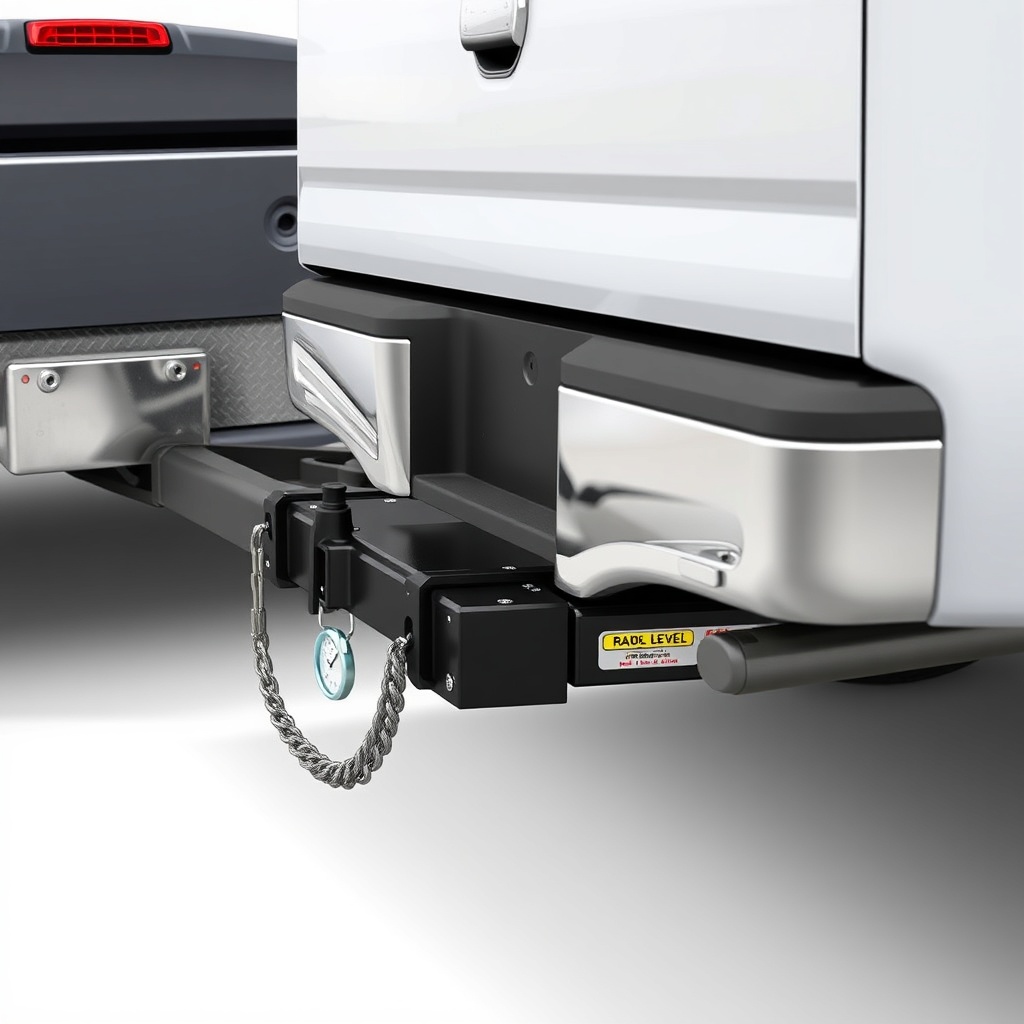
What Load Analysis Tools Work Best for the 10-72 System?
We recommend using a CAT scale or a portable tongue weight scale. For the 10-72, the sweet spot is a tongue weight of 10-12% of GVWR. For a 3,500-lb GVWR, aim for 350-420 lbs. If the tongue exceeds 500 lbs, redistribute cargo or use a weight distribution hitch. Most 10-72 hubs feature 5-lug patterns (5 on 4.5-inch), which match load ratings of 1,750 lbs static; any load analysis must account for tire capacity too (e.g., ST205/75R15 tires at 50 psi support 1,360 lbs each).
- Step 1: Weigh trailer fully loaded on each axle.
- Step 2: Compare to hub’s 1,750-lb static limit.
- Step 3: Ensure side-to-side difference <2% (e.g., <20 lbs on a 1,000-lb load).
Dexter Nev-R-Adjust 10-72: What Owners Say
Owners frequently praise the 10-72’s self-adjusting feature, but many note that improper load leveling is a common misuse. One user on a boating forum reported that a rear-heavy load caused the brakes to lock after 50 miles of towing, requiring hub disassembly. Another owner found that using a weight distribution hitch reduced brake pad wear by 30%. Some recommend monthly checks of hub temperature (should not exceed 150°F after a 20-mile drive).
Common feedback includes: “I never worry about brake adjustment, but I wish I’d understood load limits earlier—I overloaded once and blew a bearing.”
Frequently Asked Questions
Q: What is the maximum tongue weight for the Dexter Nev-R-Adjust 10-72?
A: The tongue weight should not exceed 500 lbs for a single-axle trailer using the 10-72 hubs. For dual-axle, 700 lbs is safe with a weight distribution hitch.
Q: Can I use the 10-72 with a GVWR over 3,500 lbs?
A: No, the 10-72 is rated for axles up to 3,500 lbs GVWR. For heavier loads, consider Dexter’s 7,000-lb hub series.
Q: How often should I check load balance on my 10-72-equipped trailer?
A: Every trip or at least monthly. Use a tongue scale to ensure 10-15% of gross weight is on the tongue.
Q: Does load leveling affect the self-adjusting brakes of the 10-72?
A: Yes, uneven loading can cause premature wear on the adjusting mechanism. The magnet arm may bind if the drum is out of round due to side-load from imbalance.
Q: What happens if I exceed the 1,200-lb dynamic load per hub?
A: Brake torque drops, and the drum may crack. In extreme cases, the hub bearing race can distort, leading to wheel separation. Immediate reduction of load is required.
Q: Are there aftermarket weight distribution hitches compatible with the 10-72?
A: Yes, brands like Reese and Equal-i-zer work with the 10-72’s 5-lug pattern. Ensure hitch capacity matches your trailer’s GVWR, not just the hub rating.