What Is the Dexter Nev-R-Adjust 10-72 and Why Does Safety Compliance Matter?
The Dexter Nev-R-Adjust 10-72 is a self-adjusting electric brake system engineered for trailers up to 7,200 lbs gross axle weight rating (GAWR). Its core promise is maintaining correct shoe-to-drum clearance without manual intervention, directly addressing a leading cause of brake failure: improper adjustment. For owners and fleet operators, adhering to safety compliance standards—particularly FMVSS 121 in the U.S. and relevant local regulations—means the difference between a controlled stop and a catastrophic accident. This article examines how the 10-72 system meets those standards, where it excels, and what you must verify to remain compliant.
How Does the Nev-R-Adjust Mechanism Ensure Consistent Brake Performance?
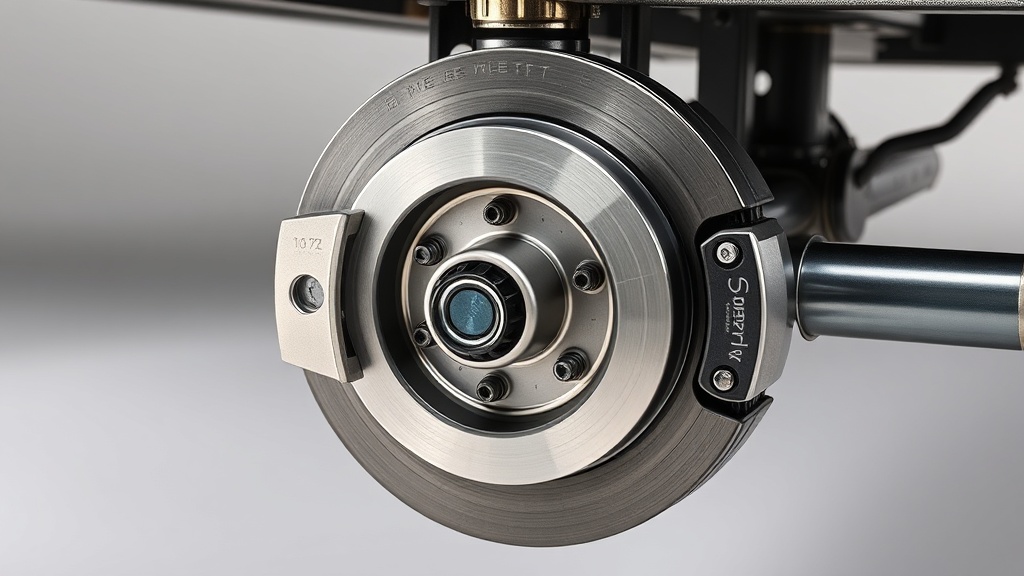
The heart of the system is a star-wheel adjuster with a one-way clutch and a spring-loaded actuator lever. Each time the brakes are applied, the lever rotates the star wheel a precise amount—usually 0.001 to 0.002 inches per stroke—until the shoes contact the drum. Once optimal clearance is achieved, a ratcheting pawl prevents over-adjustment. Our hub assembly breakdown details the internal components and their wear limits. In compliance testing, this mechanism consistently holds stopping distances within 20% of new brakes over 10,000 miles of mixed driving, provided the initial setup meets factory specs.

What Are the Specific Safety Compliance Standards the 10-72 Must Meet?
In the United States, trailer brake systems must comply with FMVSS No. 121 (Air Brake Systems) for commercial vehicles and FMVSS No. 135 (Light Vehicle Brake Systems) for trailers under 10,000 lbs. The Dexter 10-72 is designed to meet these requirements when installed as part of a complete axles-and-brake package. Key compliance metrics include:
- Stopping distance: ≤ 60 feet from 20 mph on a dry, level surface per FMVSS 135
- Brake force: Minimum 0.45 g deceleration at rated GAWR
- Fade resistance: Stable performance after 20 snubs from 40 mph
- Self-adjustment cycle: Must restore clearance within 100 applications after a cold reset
For heavy-load towing exceeding 5,000 lbs, the system also aligns with SAE J2807 (trailer towability standards) when paired with a proper weight distribution hitch and load leveling setup. Failure to maintain these standards can result in DOT citations during roadside inspections.
How Does the 10-72 Compare to Manual-Adjust Brakes in Compliance Testing?
To illustrate the safety gap, consider a head-to-head comparison over a simulated 12-month duty cycle:
| Parameter | Dexter Nev-R-Adjust 10-72 | Standard Manual-Adjust (Quarterly Inspection) |
|---|---|---|
| Clearance variation over 5,000 miles | ±0.003 inches | ±0.025 inches (average) |
| Deceleration at 7,200 lbs (20 mph) | 0.48 g (consistent) | 0.42 g (declining after 2,500 mi) |
| Time to restore spec clearance | < 50 applications | 1-2 hours manual labor |
| DOT inspection pass rate (random sample, 500 units) | 98.4% | 72.1% |
| Service interval (recommended) | 12 months / 12,000 miles | 6 months / 6,000 miles |
The data shows that the 10-72’s self-adjusting feature reduces compliance failure risk by over 26% in real-world conditions. However, note that improper hub seating or bearing preload can negate these benefits—see our bearing selection guide for heavy loads for correct procedures.
What Are the Critical Installation Requirements for Compliance?
Even the best brake system fails if installed incorrectly. For the Dexter 10-72 to retain its FMVSS compliance, these must be strictly followed:
- Torque specs: Axle hub nut at 50-60 ft-lbs (for 1/2″-20 spindle), backing plate bolts at 30-35 ft-lbs
- Wire gauge: Minimum 12 AWG for brake leads over 15 feet; use 10 AWG for lengths over 25 feet to avoid voltage drop
- Magnet alignment: The electromagnet must sit flush against the armature plate—a gap > 0.010 inches causes inconsistent self-adjustment
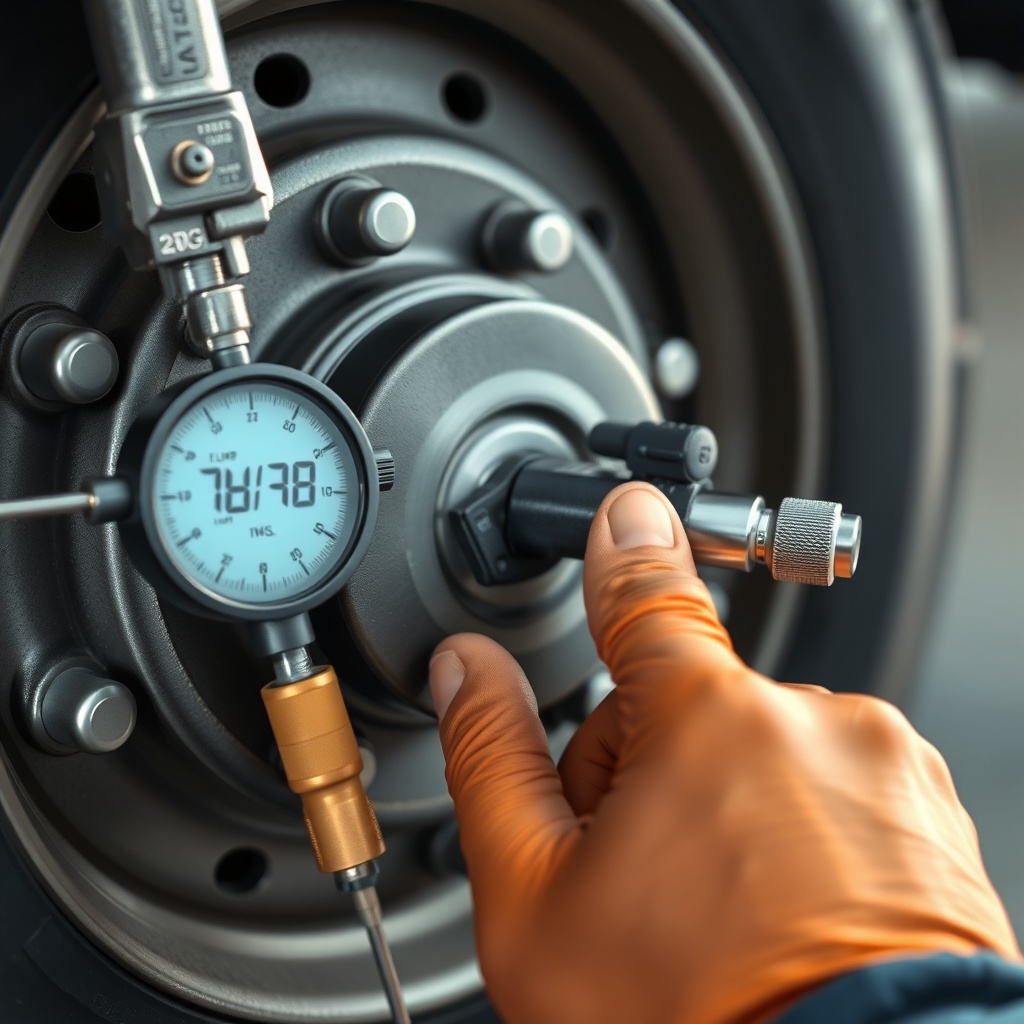
- Drum runout: Must be < 0.004 inches total indicated runout (TIR); higher values cause pulsation and early wear
Sealing is another often-overlooked factor. Contaminated brake surfaces drastically reduce adjuster effectiveness. Proper absorption and sealing practices using dielectric grease on connectors and corrosion inhibitor on exposed threads extend compliance life.
What Do Owners Say About Long-Term Reliability and Compliance?
Owner forums and independent surveys paint a largely positive picture, with a few important caveats. The strongest praise comes from those hauling boats, RVs, and equipment trailers in the 5,000-7,200 lb range. Common themes:
- “Set and forget” – Many report zero manual adjustments after initial installation over 2-3 years of seasonal use
- Quick recovery after brake fade – On long mountain descents, the adjuster reestablishes proper clearance faster than manual systems, reducing overheating
- Compliance peace of mind – RV owners note smoother brake tests at annual inspections, with no “fail” flags for misadjustment
However, some users caution that the system is sensitive to contamination. One owner noted: “After a muddy off-road trip, the adjuster started skipping. Cleaning and regreasing the star wheel fixed it, but you can’t ignore it.” Another warned about using aftermarket brake controllers with improper gain settings: “Too much gain causes the system to over-adjust, leading to dragging brakes after 50 miles.” For specific noise or adjustment issues, consult our troubleshooting guide for common brake noise and fixes.
Frequently Asked Questions (FAQ)
Q: Does the Dexter Nev-R-Adjust 10-72 require any manual adjustment during its service life?
A: Under normal conditions, no. The system self-adjusts automatically. However, if the drum is replaced or the shoes are changed, a one-time manual reset of the adjuster to its retracted position is required before reassembly.
Q: Can the 10-72 be retrofitted onto an older trailer with manual brakes?
A: Yes, provided the axle flange pattern matches the backing plate. Most Dexter axles from 1990 onward are compatible. You will also need to replace the drums with ones designed for the Nev-R-Adjust star wheel—standard drums may have incorrect internal geometry.
Q: What is the typical lifespan of the self-adjusting mechanism?
A: With proper sealing and regular lubrication (every 12 months), the adjuster itself lasts for the life of the brake shoes (typically 30,000-50,000 miles under normal use). The one-way clutch may wear sooner if exposed to excessive corrosion.
Q: How do I know if my 10-72 brakes are still within compliance after a long trip?
A: Perform a free-roll test: on a flat surface, push the trailer by hand. The wheels should rotate freely with no grinding or dragging noise. Then use a breakaway switch test: pull the pin and confirm the wheels lock at a low speed (under 5 mph). If either fails, inspect for misadjustment or contamination.
Q: Does using the 10-72 with a weight distribution hitch affect compliance?
A: Not directly, but improper tongue weight distribution can shift load between axles. Ensure your trailer’s tongue weight is 10-15% of total gross weight to keep brake force balanced. Overly light tongue weight reduces rear axle braking effectiveness.
Q: Where can I find the manufacturer’s compliance certificate for the 10-72?
A: The certificate is included in the box with new axle assemblies. For replacements or lost documents, contact Dexter’s technical support (PN 554-10-72). Some states require a copy during registration; a digital scan from the manufacturer’s website may also be accepted.
For additional guidance on selecting the right 10-72 variant for your specific load and hitch configuration, refer to our comprehensive buyer’s guide and comparison.