Introduction: The Timbren HD3500SL as a Safety Anchor
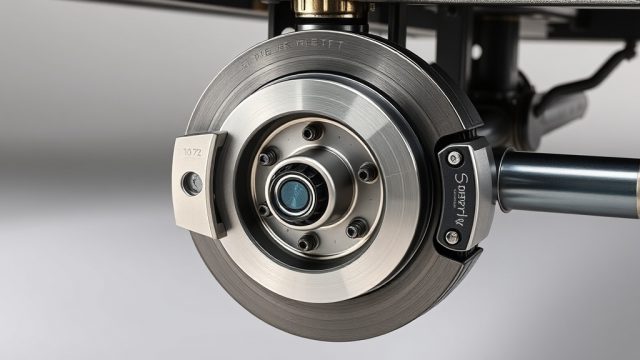
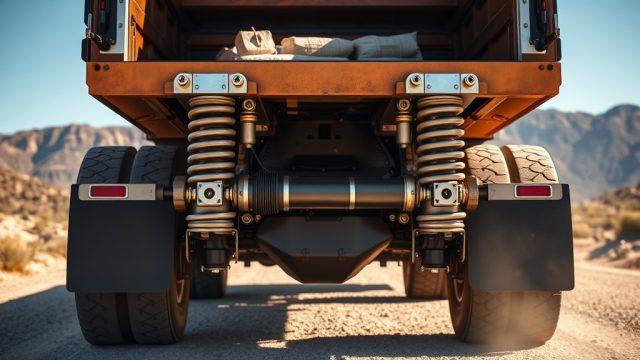
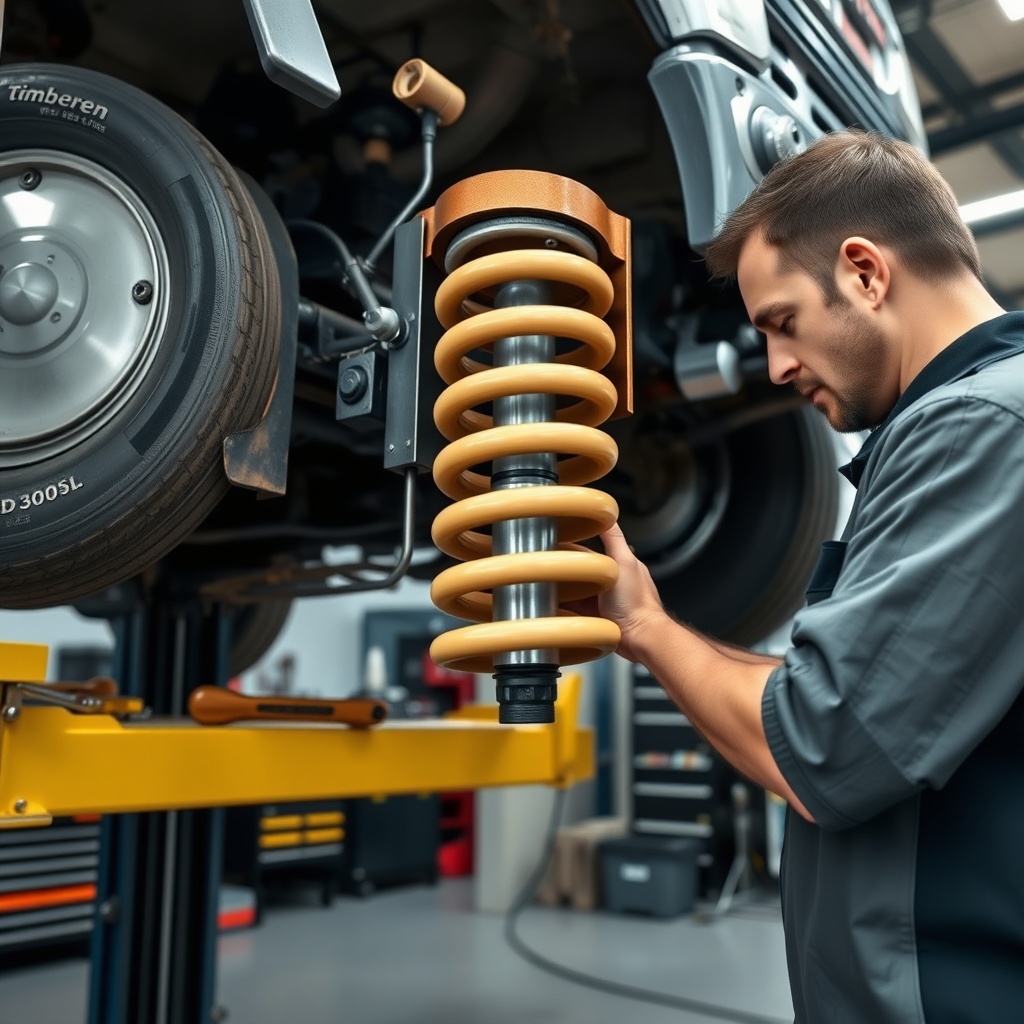
The Timbren HD3500SL suspension enhancement kit is a heavy-duty upgrade for 3/4-ton and 1-ton trucks and vans, engineered to replace factory bump stops and passive overload springs. For operators towing fifth-wheel trailers, gooseneck loads, or heavy flatbeds, the HD3500SL significantly reduces sag, improves stability, and enhances steering response. However, compliance with federal safety standards and towing regulations requires a systematic checklist—this article provides that essential guide.
What NHTSA Compliance Standards Apply to the Timbren HD3500SL?
When installing the Timbren HD3500SL, you must ensure the vehicle retains compliance with National Highway Traffic Safety Administration (NHTSA) Federal Motor Vehicle Safety Standards (FMVSS). The kit itself is classified as a replacement part; however, modifications that affect gross vehicle weight rating (GVWR) or ride height could trigger non-compliance. Specifically, FMVSS No. 126 (Electronic Stability Control) and No. 135 (Braking) require that suspension components do not adversely alter yaw stability or braking distances.
The HD3500SL’s rated load capacity is 3,500 lb per pair (1,750 lb per unit), but it does not increase the vehicle’s GVWR—that remains defined by axle, tire, and frame ratings. Always verify your vehicle’s load limits using the manufacturer’s door jamb label. For safe operation, use a weight-distribution hitch when the tongue weight exceeds 10% of the trailer’s gross weight. Improperly distributed loads can exceed the HD3500SL’s maximum leveling capacity, risking chassis fatigue or brake drag.
To maintain compliance, pair the HD3500SL with proper load leveling & weight distribution tips to avoid altering factory steering geometry or pin weighting.
How Does the HD3500SL Affect GVWR and Payload Limits?
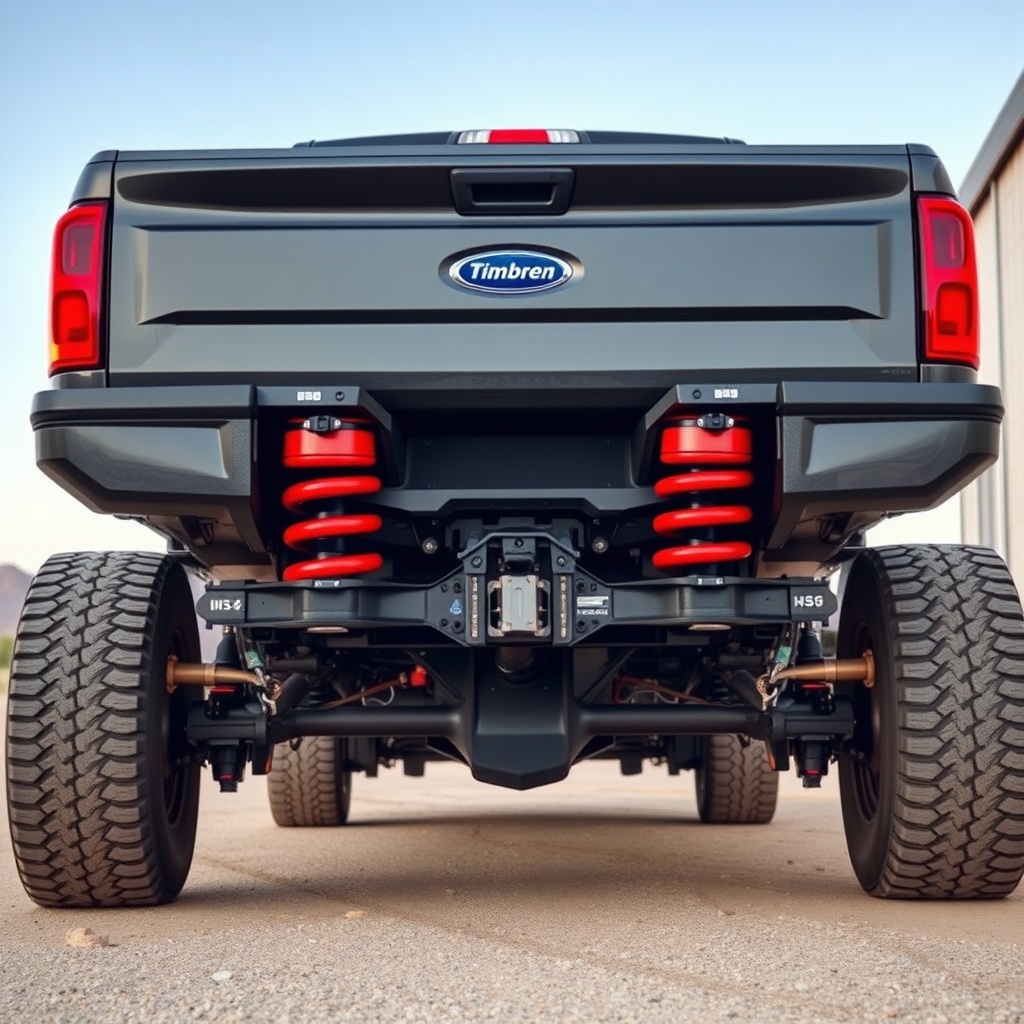
The Timbren HD3500SL does not legally increase your vehicle’s GVWR or payload capacity. Instead, it improves the suspension’s ability to handle loads up to 3,500 lb at the axle while maintaining level ride height. According to the manufacturer, the kit works with most factory-tuned leaf spring configurations, but you must ensure the axle is not overloaded beyond its OEM rating.
| Parameter | Value | Regulatory Note |
|---|---|---|
| Load capacity (pair) | 3,500 lb (1,587 kg) | Below typical 1-ton axle rating (6,000–7,000 lb) |
| Vehicle class recommended | 3/4-ton to 1-ton trucks/vans | Must not exceed factory GVWR after install |
| Height increase at empty | 0–2 inches (adjustable) | Must not affect headlamp aim (FMVSS 108) |
| Tongue weight limit (with WDH) | 1,500 lb max | Per Timbren manual: check with hitch rating |
Always weigh your vehicle at a certified scale after installation. If the total vehicle weight plus trailer tongue weight exceeds GVWR, you must reduce load or upgrade to a heavier-duty vehicle. The kit’s extra capacity is only beneficial within OEM limits—never exceed the tire load rating, which is printed on the sidewall.
What Are the Tow Rating Requirements for Using the HD3500SL?
Tow rating is determined by the vehicle manufacturer, not by a suspension accessory. The HD3500SL enhances stability but does not change the legal maximum trailer weight. For example, a 2023 Ford F-350 SRW with the 6.7L diesel has a conventional tow rating of 26,000 lb. The HD3500SL can handle loads up to 3,500 lb suspension support, but the drivetrain, brakes, and hitch limit the total trailer weight.
Key towing compliance points include:
- Brake controller: Required for trailers over 3,000 lb in most U.S. states. Use the brake system upgrade & wiring guide to ensure proper integration with the HD3500SL.
- Trailer brake requirements: Check local laws—some states mandate brakes on all axles for trailers exceeding 3,000 lb GVWR.
- Speed restrictions: Many jurisdictions limit towing speeds to 55 mph (88 km/h) on highways; suspension stability helps maintain control at legal speeds.
In the U.S., the National Safety Council reports that improper load distribution contributes to 45% of towing accidents. The HD3500SL reduces sway risk by maintaining a stable center of gravity, but it cannot compensate for overloading the hitch receiver or exceeding the trailer’s GVWR.
Does the HD3500SL Pass State Safety Inspections?
State safety inspections vary by jurisdiction, but the HD3500SL generally passes as long as it does not introduce structural or lighting failures. In states like Virginia, New York, and Pennsylvania, inspectors check for excessive suspension lash, fluid leaks, and ride height. The kit’s solid polyurethane springs do not leak, and its enclosed bearing system requires no fluid maintenance—this improves compliance likelihood.
However, be aware of potential inspection pitfalls:
- Ride height changes: If the HD3500SL raises the rear more than 2 inches, headlamp aim may shift, causing glare. Adjust headlights so the cutoff drops 2 inches at 25 feet.
- Frame welding: While the kit bolts on, some states (e.g., Texas) inspect for frame modifications. Never weld the brackets; use supplied hardware only.
- Exhaust proximity: Ensure the kit’s brackets are at least 11/2 inches from exhaust components, per NHTSA recommendation, to avoid heat damage.
Proper lubrication best practices reduce friction-related wear that could affect inspection pass rates.
What Maintenance Schedule Supports Compliance for HD3500SL?
Safety compliance extends beyond installation—regular maintenance ensures the HD3500SL continues to function without creating hazards. The manufacturer recommends inspection every 3,000 miles or 90 days, whichever comes first, especially for vehicles used in towing or heavy loading.
Critical maintenance checklist:
- Check bracket bolts for torque (Timbren spec: 85–95 ft-lb for 3/4-inch hardware).
- Inspect polyurethane springs for cracks or delamination. If deeper than 1/8 inch, replace.
- Verify bearing clearance: Follow the bearing selection & care guide to avoid premature wear that could cause suspension bind.
- Test for noise: Any new clunking may indicate loose hardware or interference with the frame. Use the noise troubleshooting guide to identify causes.
Annual inspection by a certified mechanic is recommended. In states with strict safety checks (e.g., California), keep a log of maintenance receipts to prove due diligence in case of accident liability.
What Owners Say About Timbren HD3500SL Safety
Across trailer forums and fleet maintenance reviews, owners consistently report improved stability and steering precision when using the HD3500SL for heavy towing. “After installing the kit on my Ram 3500 with a 14,000-lb fifth wheel, I noticed significantly less body roll in crosswinds,” writes one site user. “The truck no longer sags, and my trailer brakes work more consistently because the weight is balanced.”
Another owner notes: “My state inspection in Michigan passed with no issues, but the mechanic did check for bracket cracking. After three years, the poly springs still look new.” However, a minority report concern with installation on certain Ford vehicles requiring a small bracket notch—this does not affect compliance but requires careful measurement.
Overall, the community consensus is that the HD3500SL improves safety when installed correctly, but it cannot substitute for properly rated tires, brakes, and load management. As one experienced tower emphasizes: “It’s a suspension helper, not a magic wand. Pair it with a good WDH and check your pin weight.”
Frequently Asked Questions
Q: Can the Timbren HD3500SL increase my truck’s legal payload capacity?
A: No. The kit does not alter GVWR; it only helps your suspension handle heavier loads within the existing limit. You must still adhere to the vehicle’s door jamb payload rating.
Q: Will the HD3500SL void my vehicle warranty?
A: The Magnuson-Moss Warranty Act prevents a manufacturer from denying coverage unless they prove the aftermarket part caused the failure. However, check with your dealer if towing capacity modifications are permitted under the powertrain warranty.
Q: Is the HD3500SL street legal in Canada or Europe?
A: In Canada, the kit meets Transport Canada’s safety requirements as a replacement component. In Europe, equivalent towing ratings must be checked against local StVZO or EU regulations. The unit’s load cap is 1,750 lb per spring, which aligns with most European SUV and van suspension capacities.
Q: How do I know if I’ve exceeded the HD3500SL’s safe limit?
A: If the truck sits more than 1 inch lower than the front after loading, or if the kit’s bracket flanges bow outward, you have overloaded the suspension. Weigh your vehicle to verify – never exceed 3,500 lb total on the kit.
Q: Can the HD3500SL be used with air springs or load-leveling shocks?
A: It is not recommended to stack suspension enhancement systems. The HD3500SL is designed to replace rubber bump stops, not augment air bags. Conflicting stiffness can cause uneven loading and compliance issues.
Q: Does the HD3500SL require special hitch wiring?
A: Ideally, yes. The added weight capacity requires proper brake controller gain settings. Use the wiring guide to integrate the kit with your trailer brake system for optimal safety.